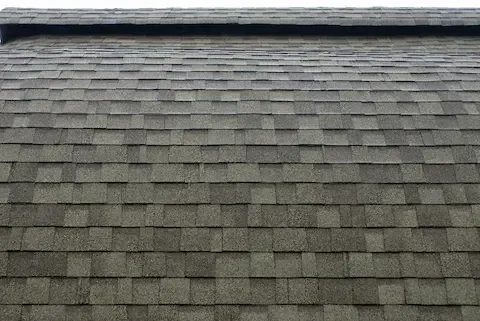
Architectural vs 3-Tab Shingles in Conway Arkansas
When choosing between architectural and 3-tab shingles for your Conway, Arkansas home, you're making a decision that affects your roof's performance, appearance, and longevity for decades. Both shingle types serve as reliable asphalt roofing solutions, but they differ significantly in construction, durability, and cost. Understanding these differences helps you make an informed choice that aligns with your budget, aesthetic preferences, and long-term goals for your Central Arkansas property.
Construction and Design Differences
The fundamental distinction between architectural and 3-tab shingles lies in their construction methods and visual appearance. Three-tab shingles feature a uniform, flat design with three distinct tabs per shingle, creating clean horizontal lines across your roof. This traditional look has dominated residential roofing for decades and remains popular among Conway homeowners seeking a classic appearance.
Architectural shingles, also called dimensional or laminated shingles, incorporate multiple layers of asphalt material bonded together. This layered construction creates depth, shadow lines, and texture that mimics the appearance of natural slate or wood shakes. The varied tab sizes and random patterns give architectural shingles a more sophisticated, upscale appearance that enhances curb appeal throughout Conway neighborhoods.
The weight difference between these shingle types reflects their construction variance. Three-tab shingles typically weigh 200-250 pounds per square (100 square feet), while architectural shingles range from 300-400 pounds per square. This additional weight contributes to improved durability but requires adequate roof structure support.
Weather Performance in Arkansas Climate
Conway's climate presents specific challenges that influence shingle performance, including severe thunderstorms, high winds, hail, and temperature fluctuations. Architectural shingles generally outperform 3-tab shingles in these conditions due to their enhanced construction and material density.
Wind resistance represents a critical factor for Arkansas homes. Most 3-tab shingles carry wind ratings between 60-70 mph, while architectural shingles typically achieve ratings of 80-130 mph. Given Conway's location in tornado alley and frequent severe weather events, this improved wind resistance provides valuable protection for your investment.
Hail resistance varies significantly between shingle types. The thicker construction of architectural shingles offers better impact resistance against Arkansas hailstorms. Many architectural shingles receive Class 4 impact ratings, the highest available, while 3-tab shingles typically achieve Class 3 ratings. This difference affects insurance premiums, as many carriers offer discounts for Class 4 impact-resistant roofing materials.
Temperature cycling, common in Central Arkansas with hot summers and variable winters, causes expansion and contraction that stresses roofing materials. Architectural shingles handle these cycles more effectively due to their flexible multi-layer construction, reducing crack development and granule loss over time.
Lifespan and Warranty Considerations
Expected lifespan differs substantially between shingle types under Conway's climate conditions. Three-tab shingles typically last 15-20 years with proper maintenance, while architectural shingles often achieve 25-30 year lifespans. This longevity difference stems from the enhanced material composition and weather resistance of architectural products.
Warranty coverage reflects manufacturer confidence in product performance. Standard 3-tab shingles usually carry 20-25 year limited warranties, while architectural shingles often include 30-50 year coverage. However, warranty terms vary significantly between manufacturers, and actual coverage depends on proper installation and maintenance practices.
The longer lifespan of architectural shingles often offsets their higher initial cost when calculated over the roof's service life. Fewer replacement cycles mean reduced labor costs, disposal fees, and home disruption over decades of ownership. For Asphalt Shingle Roofing projects in Conway, this lifecycle cost analysis proves crucial for long-term budgeting.
Cost Analysis and Value Proposition
Material costs represent the most obvious difference between shingle types. Three-tab shingles typically cost $100-150 per square, while architectural shingles range from $150-300 per square, depending on quality grade and manufacturer. Installation costs remain relatively similar, though architectural shingles may require slightly more labor due to their weight and installation complexity.
Total project costs for Conway homes depend on roof size, complexity, and additional components like underlayment, flashing, and ventilation. A typical 2,000 square foot home might see $2,000-4,000 difference in total project cost between shingle types, representing a significant upfront investment difference.
Return on investment calculations must consider multiple factors beyond initial cost. Enhanced curb appeal from architectural shingles often increases property values, particularly in Conway's competitive real estate market. The improved weather resistance and longer lifespan reduce maintenance costs and replacement frequency, providing ongoing savings.
Insurance considerations affect long-term costs significantly. Many carriers offer premium discounts for impact-resistant architectural shingles, particularly those with Class 4 ratings. These discounts, combined with reduced claim likelihood, can offset higher initial costs over the shingle's lifespan.
Installation and Maintenance Requirements
Installation processes differ slightly between shingle types, though both require professional expertise for optimal performance. Three-tab shingles install more quickly due to their uniform size and simpler cutting requirements. Architectural shingles demand greater attention to alignment and pattern consistency, potentially extending installation timelines.
Proper ventilation becomes increasingly important with heavier architectural shingles. Adequate attic ventilation prevents moisture buildup and temperature extremes that compromise shingle performance. Conway's humid climate makes ventilation particularly crucial for preventing premature shingle deterioration and ice dam formation during occasional winter weather.
Maintenance requirements remain similar for both shingle types, including regular inspections, gutter cleaning, and prompt repair of damaged shingles. However, architectural shingles' enhanced durability often reduces maintenance frequency and severity. Their improved granule adhesion means less frequent cleaning and better long-term appearance retention.
Aesthetic Impact on Conway Neighborhoods
Neighborhood compatibility influences shingle selection in Conway's established residential areas. Many newer developments feature predominantly architectural shingles, while older neighborhoods may maintain traditional 3-tab aesthetics. Understanding your neighborhood's character helps ensure your roofing choice enhances rather than detracts from surrounding property values.
Color selection differs between shingle types, with architectural products offering broader palettes and enhanced color depth. The dimensional texture of architectural shingles creates visual interest that complements Conway's diverse architectural styles, from traditional Southern homes to modern constructions along the Arkansas River corridor.
For insights into various shingle options and their performance characteristics, homeowners can explore the asphalt shingle roofing breakdown to understand how different materials perform in Central Arkansas conditions.
Making the Right Choice for Your Conway Home
Selecting between architectural and 3-tab shingles requires balancing immediate budget constraints with long-term value considerations. Homeowners planning to remain in their Conway properties for decades often benefit from architectural shingles' enhanced performance and longevity. Those with shorter ownership timelines might prioritize the lower initial investment of 3-tab shingles.
Consider your home's architectural style, neighborhood context, and personal preferences alongside practical factors like budget and maintenance capacity. Professional consultation helps ensure your choice aligns with your specific circumstances and Conway's unique climate challenges, maximizing both performance and satisfaction with your roofing investment.
