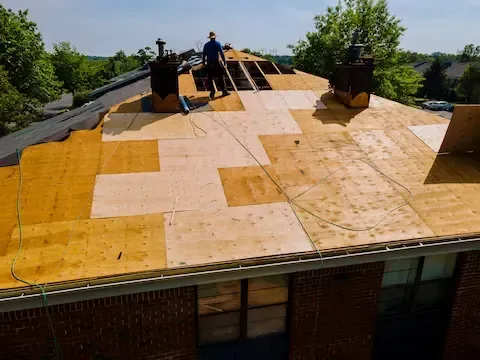
Filing Farm Bureau Roof Claims in Faulkner County AR
When a hailstorm rolls through central Arkansas or a strong spring wind peels back flashing along your ridge, the question shifts quickly from damage assessment to paperwork. Farm Bureau Financial Services is a common carrier for homeowners across Faulkner County, and while the company has a solid reputation for personal service, navigating a roof claim still takes preparation. Knowing what to document, what to expect during the inspection visit, and how to respond if the initial estimate falls short can mean the difference between a fully restored roof and a lingering shortfall you end up absorbing out of pocket.
How Farm Bureau Handles Roof Claims in Arkansas
Farm Bureau Financial Services operates through local agents, which gives the claim experience a more personal feel than dealing with a national call center. Your Faulkner County agent often serves as a first point of contact, but once a claim is filed, an adjuster—either in-house or a contracted field adjuster—takes over the inspection and estimate. Arkansas law requires that insurers acknowledge a claim within ten days and complete their investigation within a reasonable timeframe, so you should expect initial contact from an adjuster fairly quickly after filing.
Farm Bureau policies in Arkansas typically include a replacement cost value provision for roofing, but the specific language varies by policy year and endorsement. Before your adjuster arrives, pull out your declarations page and identify whether you carry RCV or actual cash value coverage. RCV pays the full cost to replace damaged materials at current prices, minus your deductible. ACV subtracts depreciation, which can reduce a payout significantly on an older roof. If you are unsure which you carry, your local Conway-area Farm Bureau agent can clarify before the inspection takes place.
Documenting Your Damage Before the Adjuster Visits
Strong documentation produced before the Farm Bureau adjuster arrives puts you in a far better negotiating position. Start immediately after the storm event—photograph from ground level and, if safe, from a ladder at the eave line. Focus on impact marks on shingles, damaged ridge caps, torn or displaced flashing around chimneys and pipe boots, and any interior evidence such as water staining on ceilings or attic insulation. If you experienced a named weather event, download the National Weather Service storm report for Faulkner County that day, which confirms hail size, wind speed, and timing. That report functions as objective third-party evidence that a covered peril occurred.
Also document secondary structures. Hail that damaged your roof almost certainly left marks on gutters, downspouts, HVAC condenser fins, and painted wood trim. Adjusters use these soft-metal and painted-surface impacts to corroborate hail size. Missing or dismissing this evidence can lead to an undervalued estimate, particularly on three-tab and architectural shingle roofs common across Conway neighborhoods.
The Farm Bureau Adjuster Inspection
Your Farm Bureau adjuster will schedule an on-site inspection and produce a written estimate using Xactimate or a similar estimating platform. These platforms generate line-item pricing based on regional cost data, and the outputs are often conservative. The adjuster will measure roof sections, identify damaged areas, and note materials required. Be present during this visit. Walk the property with the adjuster, point out every item you documented, and ask for an explanation of any line items that appear missing from their notes.
For Conway homeowners with roofs over 5:12 pitch, steep-slope labor charges should appear as separate line items. Waste factors—the additional material ordered to account for cuts around hips, valleys, and dormers—should also be reflected accurately. A standard waste factor for a simple gable roof is around ten percent, but complex rooflines in established Faulkner County neighborhoods frequently require fifteen to twenty percent. If the adjuster's scope omits these charges, that gap will need to be addressed through a supplement before work begins.
Working With a Roofing Contractor on Supplements
A supplement is an addendum to the original insurance estimate that captures legitimate costs the adjuster's initial scope did not include. This is an entirely normal part of the the roof insurance claim process and does not imply wrongdoing on anyone's part. Material prices fluctuate, and field adjusters work quickly across multiple properties after widespread storm events. Gaps appear routinely.
When you hire a licensed contractor to perform your replacement, they should review the Farm Bureau estimate line by line before issuing a signed contract. Legitimate supplements often include items such as updated Xactimate pricing reflecting current lumber and shingle costs, code upgrade requirements like ice-and-water shield at eaves and valleys mandated by current Arkansas residential building code, drip edge replacement if storm damage is documented, and permit fees. Your contractor submits the supplement directly to Farm Bureau with supporting documentation. The carrier reviews and either approves, negotiates, or denies each added item. Most supplements are resolved before or during the repair, not after.
If you want guidance specific to your policy and damage type, working with a contractor experienced in Roofing Insurance Claims in central Arkansas means those supplement conversations happen before your contract is signed, not as surprises during the job.
Depreciation, Recoverable Holdbacks, and Final Payment
If you carry RCV coverage, Farm Bureau typically issues the initial payment as the ACV of the roof—replacement cost minus calculated depreciation—after the claim is approved. The remaining depreciation amount, called the holdback, is released once you submit proof that the work was completed. This proof usually consists of a signed contractor invoice and, in some cases, photos of the finished installation. The holdback can represent a meaningful portion of the total payout, especially on larger or older roofs, so tracking that paperwork and submitting it promptly matters.
Payout timing after proof of completion varies, but Arkansas regulations encourage reasonably prompt processing. Most Faulkner County homeowners see the holdback released within two to four weeks of submitting final documentation. If delays extend beyond that window without clear explanation, contact your local Farm Bureau agent directly rather than waiting on the general claims line.
Common Mistakes Conway Homeowners Make With Roof Claims
Accepting the first estimate without review is the most frequent misstep. Initial adjuster estimates are a starting point, not a final binding number. Signing a contractor contract that matches only the initial estimate without accounting for supplement approval locks both parties into a price that may not cover full scope.
Waiting too long is another problem. Arkansas policies generally require prompt reporting of losses, and delays can give the carrier grounds to question whether damage predates the claimed event. File as soon as you identify storm-related damage, even if you are not yet certain of full scope. You can always supplement for additional items found during contractor inspection.
Finally, avoid signing any agreement with a contractor that includes an assignment of benefits clause unless you have reviewed it carefully with legal counsel. Arkansas has specific regulations around AOB in property claims, and some assignment structures can complicate your direct relationship with Farm Bureau during the settlement process.
Moving Forward After Approval
Once your Farm Bureau estimate is agreed upon and your contractor's scope is aligned with it, the path to a completed roof replacement in Conway is straightforward. Verify your contractor carries current Arkansas contractor licensing and adequate liability and workers' compensation insurance. Request a project timeline that accounts for permit issuance through the Faulkner County building department, material lead times, and final inspection scheduling. Keep your own copy of every document—the adjuster's estimate, the supplement approval, contractor invoices, and your proof-of-completion submission—so the holdback release goes smoothly and your file is complete if any questions arise later.
