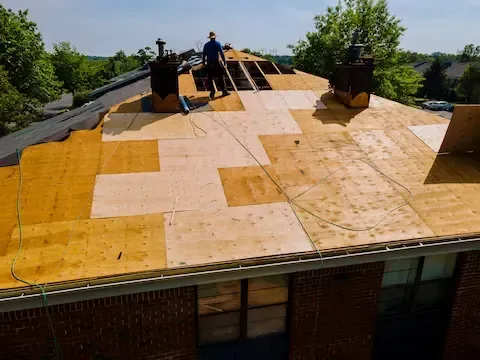
Roof Insurance Claims in Conway AR: How They Truly Work
When storm damage strikes your Conway home, understanding how roof insurance claims actually work can mean the difference between a smooth repair process and months of frustration. Arkansas homeowners face unique challenges with insurance carriers, from state-specific regulations to seasonal claim volumes that can delay processing.
The insurance claim process begins the moment you suspect roof damage. Most Conway residents discover problems after severe thunderstorms, hail events, or the occasional ice storm that hits central Arkansas. However, the clock starts ticking immediately, and insurance companies have specific timelines and procedures that must be followed precisely.
Initial Damage Assessment and Documentation
Your first step involves conducting a preliminary assessment from ground level. Look for obvious signs like missing shingles, dented gutters, or debris scattered around your Conway property. Take photos from multiple angles, but avoid climbing onto the roof yourself. Arkansas weather can make roofs slippery and dangerous, especially after storms.
Contact your insurance carrier within 24-48 hours of discovering damage. Most major insurers operating in Arkansas, including State Farm, Allstate, and Farmers, have 24-hour claim reporting hotlines. When you call, provide your policy number, the date you discovered the damage, and a brief description of what you observed.
Document everything in writing. Create a simple log noting the date and time of your call, the claim representative's name, and your assigned claim number. This documentation becomes crucial if disputes arise later in the process.
Professional Inspection and Contractor Involvement
Schedule a professional roof inspection before the insurance adjuster arrives. Conway's competitive roofing market includes contractors experienced with insurance work who can identify damage you might miss. A thorough inspection covers not just visible damage but also potential issues like compromised flashing, damaged underlayment, or structural problems that aren't immediately apparent.
Many Arkansas homeowners make the mistake of waiting for the insurance adjuster before getting a professional assessment. This approach can backfire because adjusters work for the insurance company, not for you. Having your own documentation strengthens your position during negotiations.
Choose contractors familiar with Arkansas insurance requirements. Local regulations and building codes specific to Conway and Faulkner County can affect repair specifications and costs. Your contractor should understand these requirements and be able to communicate effectively with insurance adjusters about necessary work.
The Insurance Adjuster Process
Insurance adjusters typically schedule inspections within 3-7 days of your claim filing, though this timeline can extend during busy storm seasons in Arkansas. The adjuster will examine your roof, take measurements, and assess damage extent. Be present during this inspection and bring your own documentation and photos.
Adjusters use software programs to calculate repair costs, but these estimates often reflect generic pricing rather than local Conway market rates. Arkansas labor and material costs can vary significantly from national averages, particularly after major storm events when demand increases.
Ask questions during the inspection. Request explanations for any damage the adjuster dismisses or doesn't include in their assessment. Take notes and photos of areas the adjuster examines, and don't hesitate to point out damage your contractor identified that the adjuster might overlook.
The adjuster will provide a preliminary estimate, usually within 24-48 hours of the inspection. This initial estimate often requires negotiation, especially if significant discrepancies exist between the adjuster's assessment and your contractor's findings.
Understanding Your Policy Coverage
Arkansas homeowners' policies typically include dwelling coverage, which covers the roof structure, and sometimes separate coverage for personal property damaged by roof leaks. Understanding your specific coverage limits, deductibles, and exclusions prevents surprises during the claim process.
Most policies distinguish between sudden, accidental damage and gradual wear. Storm damage usually qualifies as covered sudden damage, while age-related deterioration doesn't. However, the line between these categories can blur, leading to coverage disputes.
Replacement cost coverage differs significantly from actual cash value coverage. Replacement cost policies pay for repairs using current materials and labor costs, while actual cash value policies subtract depreciation. Given Arkansas's climate and the typical lifespan of roofing materials, this distinction can mean thousands of dollars in out-of-pocket costs. We break the two coverage types down side by side in ACV vs RCV roof insurance coverage in Conway.
Review your policy's matching requirements. Some Arkansas insurers require matching roofing materials across entire roof sections or even the entire roof, depending on the extent of damage. This requirement can work in your favor if you have an older roof with discontinued materials.
Common Claim Complications and Solutions
Depreciation holdbacks represent one of the most common complications Conway homeowners encounter. Insurance companies often pay actual cash value initially, then release depreciation funds after repairs are completed. This practice can create cash flow problems, especially for major roof replacements that cost $15,000 or more.
Scope disagreements between adjusters and contractors frequently arise. Adjusters might approve minimal repairs while contractors recommend more extensive work for long-term protection. Resolving these disagreements often requires additional inspections, supplemental estimates, and sometimes independent assessments.
Weather-related delays can complicate the claim process in Arkansas. Spring and summer storm seasons create backlogs for both adjusters and contractors. Plan for potential delays and maintain temporary protection measures until permanent repairs are completed.
Some insurance companies attempt to steer homeowners toward preferred contractors or supply networks. While these arrangements can streamline the process, Arkansas law gives you the right to choose your own contractor. Make sure any contractor you select is properly licensed, insured, and experienced with insurance work in Conway.
Maximizing Your Settlement
Thorough documentation remains your strongest tool for maximizing your insurance settlement. Beyond initial damage photos, document the repair process, material costs, and any additional damage discovered during work. Keep receipts for temporary repairs, hotel stays if your home becomes uninhabitable, and other related expenses.
Understand the supplement process. Most initial insurance estimates don't capture all necessary work. As contractors begin repairs and uncover additional damage, they can file supplemental claims for extra work. Proper documentation makes these supplements more likely to be approved.
Consider hiring a public adjuster for complex claims or when you encounter resistance from your insurance company. Public adjusters work for you, not the insurance company, and can be particularly valuable for large claims or when coverage disputes arise. Arkansas regulates public adjusters, so verify licensing before hiring.
Don't rush to accept the first settlement offer. Insurance companies often start with conservative estimates, expecting some negotiation. If your contractor's estimate significantly exceeds the insurance estimate, provide detailed justification for the differences.
Arkansas-Specific Insurance Considerations
Arkansas insurance regulations provide certain protections for homeowners during the claim process. Insurance companies must acknowledge claims within specific timeframes and provide written explanations for claim denials. Understanding these regulations helps you recognize when insurers aren't meeting their obligations.
The Arkansas Insurance Department offers resources for consumers dealing with claim disputes. If you encounter unreasonable delays, improper denials, or other problems with your insurer, filing a complaint with the department can help resolve issues.
Conway's location in central Arkansas subjects homes to various weather hazards, from severe thunderstorms to ice storms. Your insurance policy should reflect these local risks, and claim adjusters should understand regional damage patterns when assessing your roof.
State regulations also govern contractor interactions with insurance companies. Arkansas requires contractors to be licensed and insured, and prohibits certain practices like paying deductibles or inflating estimates. Working with reputable, local contractors familiar with these regulations protects you throughout the claim process. Insured through Farm Bureau? Our walkthrough of filing a Farm Bureau roof claim in Faulkner County covers their specific process.
Professional Assistance and Final Steps
The complexity of roof insurance claims often justifies professional assistance beyond just hiring a contractor. Roofing Insurance Claims specialists can guide you through the entire process, from initial documentation through final settlement.
Once you reach a settlement agreement, review all paperwork carefully before signing. Ensure the scope of work matches what you and your contractor have agreed upon, and verify that all damages are included. Some settlements include language that prevents you from seeking additional compensation later, so thoroughness at this stage is crucial.
Monitor the repair work closely and maintain communication with both your contractor and insurance company. Address any issues immediately, and don't allow your insurer to close the claim until all work is completed to your satisfaction.
Keep detailed records of the entire claim process. These records prove valuable for future claims and can help if you need to reference the work later. For comprehensive guidance on what to expect during major roofing projects, review our full roof replacement walkthrough to understand the complete process from start to finish.
Successfully navigating a roof insurance claim in Conway requires patience, organization, and often professional assistance. By understanding the process, documenting everything thoroughly, and working with experienced local professionals, you can maximize your settlement and ensure your home receives the protection it needs against Arkansas's challenging weather conditions.
