Standing Seam vs Exposed Fastener Metal in Conway AR
Metal roofing has gained significant popularity among Conway homeowners due to its durability, energy efficiency, and long-term value. When considering metal roofing for your Conway property, you'll encounter two primary installation methods: standing seam and exposed fastener systems. Each approach offers distinct advantages and considerations that can significantly impact your roof's performance, appearance, and maintenance requirements over its lifespan.
Installation Method Differences
Standing seam metal roofing features panels that connect through raised seams running vertically along the roof surface. These seams are mechanically joined or soldered together, creating a continuous barrier without visible fasteners on the panel surface. The fasteners attach to the roof deck through clips hidden beneath the seam overlap, maintaining a clean, uninterrupted appearance.
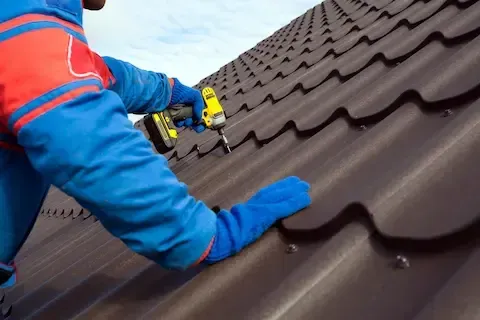
Exposed fastener metal roofing, also known as through-fastened or screw-down roofing, secures panels directly to the roof deck using screws or nails that penetrate through the metal surface. These fasteners are visible on the completed roof, typically spaced in regular patterns across each panel. The installation process is generally more straightforward and requires less specialized equipment compared to standing seam systems.
For Conway's climate conditions, both systems can provide effective weather protection when properly installed. However, the installation method affects long-term performance, particularly regarding thermal movement and water infiltration potential.
Cost Considerations and Value
Exposed fastener systems typically cost 30-50% less than standing seam installations in the Conway market. This cost difference stems from simpler installation requirements, less specialized labor, and generally thinner gauge materials. Material costs for exposed fastener panels range from $2-4 per square foot, while standing seam materials typically cost $4-8 per square foot.
Labor costs also vary significantly between the two systems. Exposed fastener installation requires fewer specialized skills and tools, making it accessible to a broader range of contractors in the Conway area. Standing seam installation demands more precise measuring, cutting, and seaming techniques, often requiring contractors with specific metal roofing experience.
When evaluating long-term value, consider that standing seam systems typically offer longer warranties and require less maintenance over their lifespan. Metal Roofing professionals in Conway often recommend considering the total cost of ownership rather than just initial installation costs when choosing between these systems.
Financing and Return on Investment
Both systems can increase your Conway home's value, but standing seam installations typically provide higher resale value due to their premium appearance and longer lifespan expectations. Many Conway homeowners find that the energy efficiency improvements from either metal roofing system help offset installation costs through reduced cooling expenses during Arkansas summers.
Weather Performance and Durability
Conway's climate presents specific challenges including high humidity, occasional severe storms, and temperature fluctuations that can stress roofing systems. Standing seam roofs excel in these conditions due to their continuous panel design and concealed fastener system, which eliminates potential leak points where fasteners penetrate the metal surface.
The thermal movement characteristics differ significantly between the two systems. Metal expands and contracts with temperature changes, and standing seam panels can move freely at the seams without stressing the fasteners. Exposed fastener systems experience stress at each penetration point during thermal cycling, potentially leading to fastener loosening or washer deterioration over time.
Wind resistance varies between the systems as well. Standing seam panels typically achieve higher wind ratings due to their mechanical seaming methods and clip-based attachment systems. Exposed fastener systems rely on the holding power of individual screws, which may not distribute wind loads as effectively across the panel surface.
Maintenance Requirements
Exposed fastener roofs require regular inspection and maintenance of fasteners and their associated washers. In Conway's humid climate, washers can deteriorate more quickly, requiring replacement every 10-15 years. Standing seam systems eliminate this maintenance concern since fasteners remain protected beneath the seams.
Leak Prevention and Water Management
Water infiltration potential represents a critical difference between these roofing systems. Standing seam designs create a continuous barrier with no fastener penetrations through the weather surface. This design significantly reduces leak potential and provides superior protection during Conway's intense rainfall events and occasional ice formation.
Exposed fastener systems depend on proper fastener installation and washer integrity to prevent leaks. Each fastener creates a potential water entry point that must be properly sealed and maintained throughout the roof's lifespan. Improper fastener installation or over-tightening can compress washers excessively, leading to premature failure.
The slope requirements also differ between systems. Standing seam roofs can be installed on slopes as low as 1/4:12 in some applications, while exposed fastener systems typically require minimum slopes of 3:12 to ensure proper water runoff and prevent standing water around fasteners.
Aesthetic Considerations
Visual appeal plays an important role in metal roofing selection for Conway homeowners. Standing seam roofs offer a clean, contemporary appearance with continuous vertical lines that can enhance architectural style. The absence of visible fasteners creates a streamlined look that works well with modern and traditional home designs throughout Conway neighborhoods.
Exposed fastener systems provide a more industrial or agricultural appearance that some homeowners prefer, particularly for barn-style homes or buildings where a more utilitarian look is desired. The visible fastener pattern creates horizontal lines across the roof surface that can complement certain architectural styles.
Color retention and panel profile options vary between the systems as well. Standing seam panels typically use higher-grade paint systems and coatings, providing better long-term color retention and fade resistance under Arkansas sun exposure.
Professional Installation Considerations
Selecting qualified contractors becomes crucial for either system's success in Conway's market. Standing seam installation requires specific training and equipment, including seaming machines and specialized tools for proper panel connection. Not all roofing contractors in the Conway area have this equipment or experience, potentially limiting your contractor options.
Exposed fastener installation, while simpler, still requires proper technique to ensure adequate fastener placement, appropriate penetration depth, and proper washer sealing. Incorrect installation can lead to premature failures and void manufacturer warranties.
When evaluating contractors, request examples of previous installations in Conway and verify their experience with your chosen system type. Our metal roofing comparison can help you understand the specific qualifications needed for each installation method.
Long-term Performance Expectations
Standing seam systems typically offer 30-50 year lifespans with proper installation and minimal maintenance. The concealed fastener design protects critical attachment points from weather exposure, contributing to extended service life. Warranties often reflect this longevity, with many manufacturers offering 25-40 year coverage on materials and workmanship.
Exposed fastener systems generally provide 20-30 year lifespans, with fastener and washer maintenance required throughout this period. While the initial cost savings are attractive, the ongoing maintenance requirements and shorter expected lifespan should factor into your long-term planning for your Conway property.
Both systems can provide excellent service when properly matched to your specific building requirements, budget constraints, and aesthetic preferences. Understanding these fundamental differences helps ensure you select the metal roofing system that best serves your Conway home's needs for decades to come.
