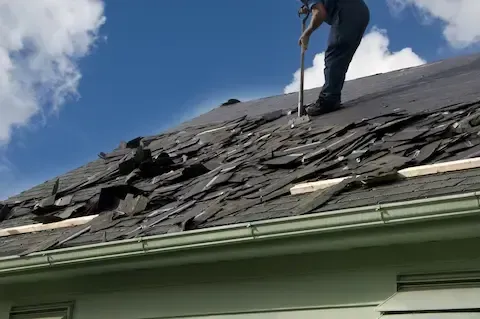
24/7 Emergency Roof Leaks in Conway and Faulkner County
A roof leak that starts at midnight does not wait until business hours to cause damage. Within the first hour, water can soak insulation, stain ceilings, warp wood framing, and begin promoting mold growth inside wall cavities. Homeowners in Conway and across Faulkner County face a specific challenge: spring storm systems and summer thunderstorms can arrive fast, pound roofs hard, and disappear before morning, leaving damage that is not always visible from the ground until water is already dripping through drywall. Knowing what to expect from a 24/7 emergency roofing response can help you act quickly and reduce the total cost of repairs.
Why Roof Leaks Demand an Immediate Response
Water does not stay where it enters. When a shingle blows off or a flashing joint fails during a storm, rainwater finds the path of least resistance through the roof deck, into the attic, and eventually down to living spaces. In Conway's climate, where summer humidity is already high, even a small amount of trapped moisture can trigger mold colonization within 24 to 48 hours. Structural lumber that stays wet begins to lose integrity, and insulation that absorbs water loses its thermal value and holds moisture against framing for weeks after the leak is sealed.
Insurance adjusters also pay close attention to the timeline of damage documentation. If you wait until the following week to address a storm-related leak, it becomes harder to establish that secondary water damage was caused by the original event rather than neglect. Acting on the night of the damage protects both the structure and the insurance claim.
What a 24/7 Emergency Roofing Call Looks Like
When you contact an emergency roofer in Faulkner County after hours, the first priority is getting someone to your property quickly to assess the situation. A qualified crew will arrive with the materials and equipment needed to perform immediate stabilization, not just take a look and schedule a return visit. The on-site process typically follows this sequence:
- Roof inspection under safe conditions: The crew evaluates the extent of damage, identifying the source of the leak and any compromised areas nearby that could worsen overnight.
- Emergency tarp installation: A heavy-duty polyethylene tarp is secured over the damaged area to stop active water intrusion. Proper tarping requires fastening that holds against wind without adding further damage to the roof structure.
- Interior water mitigation guidance: The crew can identify where water has entered the attic or living space and advise on immediate steps to remove standing water, reposition insulation, and ventilate the affected area.
- Damage documentation: Photos and written notes taken the same night provide the foundation for an accurate insurance estimate and protect against disputes later in the claims process.
For homeowners in Conway neighborhoods like Salem Road, Dave Ward Drive, or near the UCA campus, where mature trees increase the risk of branch and debris impact during storms, this kind of immediate-response protocol is particularly important. A fallen limb can puncture decking in multiple locations, and a single tarp placed incorrectly leaves gaps where water continues to enter.
Common Causes of Emergency Leaks in Faulkner County
Understanding what typically triggers emergency calls in this region helps you recognize risk factors on your own roof before the next storm arrives. The most frequent causes of after-hours roof leak calls across Conway and the broader Faulkner County area include:
- Wind-lifted shingles: Arkansas storms regularly produce gusts in the 50 to 70 mph range. Shingles at ridge lines, hip edges, and corners are especially vulnerable. Once a shingle lifts, the underlayment and decking below are exposed immediately.
- Flashing failure: Chimney, skylight, and vent pipe flashings rely on sealant and metal laps that degrade over time. High wind and rapid temperature changes common in central Arkansas accelerate that deterioration.
- Hail impact: Hail does not always cause visible holes, but it bruises shingle granules and compromises the mat underneath. Bruised areas can begin leaking during the next rain event, sometimes months after the original hail storm.
- Debris accumulation: Leaves and pine needles from surrounding trees trap moisture in valleys and around flashings, creating conditions where water backs up under shingles even in moderate rainfall.
Steps to Take While You Wait for the Crew
There are things you can do safely inside your home while waiting for emergency roofers to arrive in Conway. Move furniture, electronics, and valuables away from the area directly under the leak. Place buckets or bins to catch dripping water and reduce floor damage. If water is pooling on a flat ceiling section, there is a risk the ceiling could sag or collapse under weight. In that case, carefully puncturing the lowest point of the bulge with a screwdriver allows water to drain in a controlled stream rather than in a sudden collapse.
Do not attempt to get on your roof during active rain or immediately after a storm. Wet roofing surfaces, saturated decking, and poor visibility create serious fall risks. The most valuable thing you can do is document the damage from inside the home with photos and video, note the time the leak started, and have that information ready when the crew arrives.
Choosing the Right Emergency Roofer in Conway
Not every company that answers a 24-hour line has crews ready to dispatch the same night. When you call after a storm, ask directly whether a crew can arrive within a defined window, what materials they carry on emergency vehicles, and whether they carry liability insurance and a valid Arkansas contractor license. A legitimate emergency roofer in Faulkner County will answer those questions clearly before sending anyone to your home.
For full details on what services are available and how emergency response is structured in this area, visit Emergency Roof Repair to review specific response protocols. You can also review our emergency roof repair page for additional information on what to expect during the claims and repair process after a storm event.
Protecting Your Home Before the Next Storm
Emergency response handles the immediate crisis, but a scheduled inspection after repairs are complete helps identify other vulnerabilities before they become the next emergency call. Roofs in the Conway area that are more than 15 years old, that have experienced multiple hail events, or that show visible granule loss in gutters should be inspected annually. Addressing a cracked flashing seal or a loose ridge cap now costs far less than an after-hours emergency call followed by interior water damage restoration.
When a storm rolls through Faulkner County at 2 a.m. and your ceiling starts to show water stains, a fast call to a qualified local crew is the most important action you can take. The hours between a leak starting and a crew arriving determine how much of your home's structure and contents are protected.
