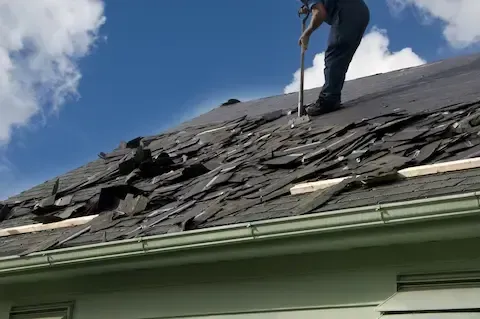
Emergency Roof Repair in Conway and Faulkner County AR
When severe weather strikes Conway and the surrounding Faulkner County area, roofing emergencies can happen without warning. A sudden storm, fallen tree, or equipment malfunction can leave your property vulnerable to water damage, structural compromise, and escalating repair costs. Understanding how to respond quickly and effectively during these critical first hours can mean the difference between minor repairs and extensive property damage that affects your home or business for months to come.
Immediate Response Protocols for Roofing Emergencies
The first moments after discovering roof damage determine the severity of secondary damage your property will sustain. Your immediate priority should be safety assessment and damage containment. Before approaching any damaged areas, ensure that electrical systems near the leak are turned off and that no structural collapse risks are present.
Document the damage immediately with photographs from multiple angles, capturing both the roof damage and any interior water infiltration. This documentation becomes crucial for insurance claims and helps emergency repair teams understand the scope of work needed. Take photos of damaged belongings, water stains, and any temporary measures you implement.
Contact emergency roofing services as soon as possible, even during off-hours. Many Conway area roofing companies maintain 24-hour emergency response capabilities specifically for situations where immediate action prevents exponential damage increases. While waiting for professional help, place buckets or containers to catch dripping water and move valuable items away from affected areas.
Storm Damage Assessment and Triage
Professional storm damage assessment follows a systematic approach that prioritizes the most critical vulnerabilities first. Emergency roofing specialists evaluate structural integrity, water penetration points, and the potential for additional damage if weather conditions worsen.
Wind damage often creates multiple compromise points across your roof system. Missing shingles, lifted flashing, and damaged gutters each require different response strategies. Hail damage may not be immediately visible but can compromise shingle granules and create thousands of small penetration points that lead to leaks over time.
Tree damage represents one of the most complex emergency scenarios, as removal requires coordinating with tree service professionals before roofing repairs can begin. Emergency Roof Repair teams work closely with other emergency services to establish safe working conditions and prevent additional structural damage during debris removal.
Lightning strikes create unique damage patterns that may not be immediately apparent. Electrical surges can damage HVAC systems, while the strike point often creates thermal damage that extends beyond the visible impact area. These scenarios require specialized assessment techniques to identify all affected systems.
Emergency Containment and Protection Methods
Professional emergency containment goes far beyond simple tarping. Emergency response teams use specialized materials and techniques designed to withstand continued weather exposure while maintaining accessibility for permanent repairs. Heavy-duty reinforced tarps, secured with proper fastening systems, create weatherproof barriers that can protect your property for weeks if necessary.
Water diversion systems redirect moisture away from vulnerable areas and prevent pooling that could cause additional structural damage. These temporary systems work in conjunction with existing gutters and drainage to manage water flow until permanent repairs restore your roof's integrity.
Interior protection measures include moisture barriers, dehumidification equipment, and strategic ventilation to prevent mold growth and secondary water damage. Emergency teams often coordinate with water damage restoration specialists to address multiple aspects of storm damage simultaneously.
Emergency structural reinforcement may be necessary when roof damage compromises the building's structural integrity. Temporary supports and bracing systems distribute weight loads safely while permanent repairs are planned and executed. Our step-by-step guide to roof tarping after storm damage in Conway covers materials, technique, and how long a tarp holds.
Insurance Documentation and Claims Process
Proper insurance documentation begins immediately after damage occurs and continues throughout the entire repair process. Insurance adjusters require specific types of evidence to process claims efficiently and ensure full coverage of legitimate damages.
Photograph sequences should document the damage progression, temporary protective measures, and the step-by-step repair process. Time-stamped images provide crucial evidence for claim validation and help establish the timeline of damage events.
Professional damage assessments from licensed roofing contractors carry significant weight in insurance negotiations. These assessments identify damage that may not be apparent to untrained observers and provide detailed repair estimates based on current material and labor costs in the Faulkner County market.
Emergency service documentation should include all temporary repair measures, materials used, and labor hours required for damage containment. Many insurance policies cover emergency protective measures, making detailed recordkeeping essential for claim reimbursement.
Communication with insurance representatives should be documented in writing, including claim numbers, adjuster contact information, and summaries of all conversations. This documentation trail becomes invaluable if disputes arise during the claims process.
Local Weather Patterns and Risk Factors
Conway's location in central Arkansas exposes properties to diverse weather threats throughout the year. Spring and early summer bring severe thunderstorms with large hail, damaging winds, and tornado activity. Understanding these seasonal patterns helps property owners prepare emergency response plans before damage occurs.
The Arkansas River valley's topography can intensify storm systems, creating localized severe weather events that affect Conway while leaving surrounding areas largely untouched. This geographical factor makes regional weather forecasts less reliable for specific emergency planning in the immediate Conway area.
Winter weather events, while less frequent, can create unique roofing emergencies when ice dams form or when rapid temperature changes cause expansion and contraction damage to roofing materials. These cold-weather emergencies often require specialized repair techniques and materials suitable for low-temperature installation.
Reviewing the annual roof inspection guide helps identify potential vulnerabilities before emergency weather events test your roof system's integrity, potentially preventing emergency situations through proactive maintenance and repairs.
Professional Emergency Response Capabilities
Professional emergency roofing services maintain specialized equipment and trained personnel specifically for crisis response situations. Emergency response vehicles carry industrial-grade tarping systems, temporary fastening hardware, water diversion materials, and basic repair supplies for immediate damage containment.
24-hour response capabilities require significant infrastructure investment, including on-call personnel, emergency equipment staging, and coordination systems for managing multiple simultaneous emergency calls during widespread storm events. The most reliable emergency services maintain these capabilities year-round, not just during storm seasons.
Emergency repair teams undergo specialized training for working in hazardous conditions, including damaged structures, electrical hazards, and severe weather. This training enables them to work safely in conditions that would be dangerous for property owners or general contractors without emergency response experience.
Coordination with other emergency services, including fire departments, utility companies, and emergency management agencies, ensures that roofing emergencies are addressed within the broader context of community disaster response when widespread damage occurs across Faulkner County.
Cost Factors and Emergency Service Pricing
Emergency roofing services typically involve premium pricing due to the immediate response requirements, after-hours labor, and specialized equipment needs. Understanding these cost factors helps property owners make informed decisions during crisis situations.
Emergency response fees cover the immediate dispatch of crews and equipment, often during nights, weekends, or holidays when standard construction work is not typically performed. These fees are separate from repair costs and reflect the premium nature of emergency availability.
Temporary protection measures represent an investment in preventing much larger repair costs. The expense of professional tarping and containment services is typically far less than the cost of extensive water damage, mold remediation, or structural repairs that result from delayed response.
Insurance coverage for emergency services varies significantly between policies, making it important to understand your coverage limits and deductible requirements before emergencies occur. Many policies provide specific coverage for emergency protective measures, but require proper documentation and approved contractors.
Prevention and Preparedness Strategies
While emergency repairs address immediate damage, long-term prevention strategies reduce the likelihood and severity of future roofing emergencies. Regular maintenance, proactive upgrades, and emergency preparedness planning create multiple layers of protection for your property.
Emergency preparedness includes identifying qualified emergency roofing contractors before damage occurs, understanding your insurance coverage and claims procedures, and maintaining basic emergency supplies for immediate damage containment. This preparation enables faster, more effective response when emergencies develop.
Roof system upgrades that improve storm resistance include impact-resistant shingles, enhanced fastening systems, and improved flashing details around vulnerable areas. These improvements may qualify for insurance premium reductions while providing measurable protection during severe weather events.
Regular professional inspections identify potential failure points before they become emergency situations. Annual or bi-annual inspections, particularly after severe weather seasons, help maintain roof system integrity and prevent small problems from developing into emergency repairs during the next storm event.
