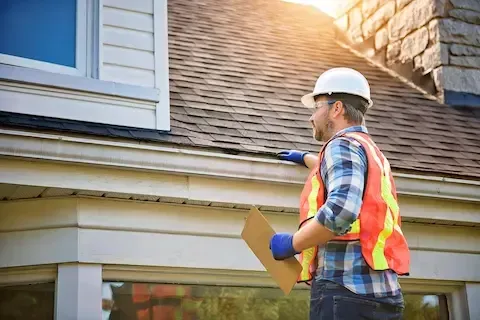
Annual Roof Inspection in Conway AR and Faulkner County
Why Annual Roof Inspections Matter in Conway's Climate
Your roof endures significant stress throughout the year in Conway, Arkansas. The combination of hot, humid summers and occasional severe weather events makes annual inspections essential for protecting your home investment. Professional roof inspections help identify minor issues before they become costly repairs, extending your roof's lifespan and maintaining your home's structural integrity.
Conway homeowners face unique challenges due to Central Arkansas weather patterns. Summer temperatures regularly exceed 90 degrees, causing shingle expansion and contraction. Spring storms bring heavy rains and occasional hail, while winter freeze-thaw cycles can damage flashing and create ice dam conditions. These conditions make annual professional assessments crucial for maintaining roof performance.
A comprehensive Roof Inspection examines all roof components, from shingles and underlayment to gutters and ventilation systems. Professional inspectors identify wear patterns, structural concerns, and maintenance needs that untrained eyes might miss.
What Professional Inspectors Examine on Conway Roofs
Professional roof inspectors follow systematic protocols to evaluate every aspect of your roofing system. The inspection process begins with exterior examination of shingles, looking for missing granules, cracked or curled edges, and loose or missing shingles. Inspectors pay special attention to areas where different roof planes meet, as these transition zones experience higher stress.
Flashing receives careful scrutiny during inspections. Metal flashing around chimneys, vents, skylights, and valleys must remain properly sealed to prevent water infiltration. In Conway's climate, thermal expansion and contraction can cause flashing to separate from roof surfaces, creating entry points for moisture.
Gutters and downspouts undergo thorough evaluation for proper drainage. Inspectors check for clogs, damage, and proper slope to ensure water flows away from your foundation. They also examine fascia boards and soffit areas for signs of water damage or pest intrusion.
Interior inspections focus on attic spaces, looking for signs of leaks, inadequate ventilation, or insulation problems. Inspectors check for water stains on rafters and decking, examine ventilation systems, and assess insulation levels that affect energy efficiency.
Structural Assessment Components
Structural evaluation forms a critical part of comprehensive roof inspections. Inspectors examine roof decking for sagging, warping, or deterioration that could indicate structural problems. They check rafter systems and support beams for signs of stress, damage, or inadequate support.
Chimney structures receive detailed attention, including mortar joints, crown condition, and flashing integrity. Conway's weather extremes can cause masonry expansion and contraction, leading to cracks that allow water penetration.
Common Issues Found During Faulkner County Inspections
Roof inspectors frequently discover similar problems across Faulkner County homes. Granule loss on asphalt shingles ranks among the most common findings, particularly on south-facing roof sections that receive intense sun exposure. This granule loss accelerates aging and reduces the roof's ability to protect against weather elements.
Flashing deterioration appears regularly in inspection reports. The combination of temperature fluctuations and moisture exposure causes sealants to crack and metal flashing to corrode. Areas around penetrations like vents, chimneys, and satellite dishes require frequent attention.
Gutter problems occur frequently due to Conway's tree coverage and seasonal leaf accumulation. Clogged gutters lead to water backup, ice dam formation, and potential roof damage. Inspectors often find gutters pulled away from fascia boards due to weight from debris and standing water.
Ventilation inadequacies represent another common finding. Many homes lack proper ridge vents or soffit ventilation, leading to moisture buildup in attic spaces. This poor ventilation accelerates shingle aging and can create conditions favorable to mold growth.
Storm Damage Assessment
Arkansas weather patterns create specific damage types that inspectors encounter regularly. Hail damage may not be immediately visible but can significantly impact shingle performance. Inspectors look for subtle signs like exposed mat, granule displacement, and minor cracks that compromise shingle integrity.
Wind damage often appears as lifted or missing shingles, particularly along roof edges where wind forces concentrate. Inspectors examine edge details and check for proper installation techniques that resist wind uplift.
Timing Your Annual Inspection Schedule
Optimal timing for roof inspections in Conway depends on several factors. Many professionals recommend scheduling inspections in late fall or early spring when weather conditions are moderate and potential storm damage can be addressed before severe weather seasons.
Fall inspections allow homeowners to address issues before winter weather arrives. This timing enables repairs during favorable conditions and ensures roofs are prepared for potential ice and storm damage. Spring inspections help identify winter damage and prepare roofs for summer heat and storm season.
Some homeowners benefit from bi-annual inspections, particularly those with older roofs or homes in areas with heavy tree coverage. These more frequent assessments can catch problems earlier and potentially extend roof lifespan through proactive maintenance. Aerial imaging catches what a ladder cannot, so see how drone roof inspection works in Conway neighborhoods.
Post-Storm Inspection Considerations
Severe weather events warrant immediate inspection scheduling. Even if no obvious damage is visible from ground level, professional assessment can identify subtle damage that worsens over time. Insurance claims often require professional documentation of storm damage, making prompt inspection valuable for financial protection.
Document any storm events with photos and dates, as this information helps inspectors assess potential damage patterns and insurance adjusters evaluate claims.
Cost Factors for Professional Inspections
Roof inspection costs in Faulkner County vary based on several factors. Home size and roof complexity significantly influence pricing, with larger homes and multiple-level roofs requiring more time and effort. Roof pitch and accessibility also affect costs, as steep or high roofs present additional safety challenges.
Basic visual inspections typically cost less than comprehensive assessments that include interior evaluation and detailed reporting. Many companies offer different inspection levels to match homeowner needs and budgets.
Some roofing companies include complementary inspections with maintenance services or provide discounted inspections for existing customers. These arrangements can make regular inspections more affordable while building relationships with trusted service providers.
Consider inspection costs as preventive maintenance investment. Early problem identification often saves significant money compared to emergency repairs or premature roof replacement. Many homeowners find that annual inspection costs pay for themselves through avoided major repairs.
Choosing Qualified Inspectors in Conway
Selecting qualified roof inspectors requires evaluating credentials, experience, and local knowledge. Look for inspectors with relevant certifications and insurance coverage that protects both parties during the inspection process. Local experience with Conway weather patterns and common regional roofing issues provides valuable expertise.
Request sample inspection reports to evaluate thoroughness and clarity. Quality reports include photographs, detailed findings, and prioritized recommendations for addressing identified issues. Clear documentation helps homeowners understand problems and plan appropriate responses.
Verify that inspectors can identify various roofing materials and understand proper installation techniques. Conway homes feature diverse roofing materials, from traditional asphalt shingles to metal roofing systems, each requiring specific knowledge for proper evaluation.
For more information about different roofing options and their maintenance requirements, check our metal roofing comparison to understand how material choice affects inspection needs and maintenance schedules.
Preparing for Your Roof Inspection
Proper preparation helps inspectors perform thorough evaluations and can reduce inspection costs. Clear access to your home's perimeter by removing obstacles like lawn furniture, decorations, or stored items. Trim tree branches that overhang the roof or block inspector access.
Provide inspectors with relevant information about your roof's history, including installation dates, previous repairs, and known problem areas. This background helps inspectors focus attention on areas most likely to need attention.
Ensure attic access is clear and safe. Remove stored items from areas near access points and make sure pathways are clear for inspector movement. This preparation allows for thorough interior examination that might otherwise be limited. Selling the house? Our guide to the pre-sale roof inspection in Conway AR covers what to fix before the buyer's inspector arrives.
Gather documentation like warranty information, previous inspection reports, and insurance policies. These materials help inspectors understand coverage details and warranty requirements that might influence their recommendations.
Acting on Inspection Findings
Professional inspection reports typically prioritize findings based on urgency and safety concerns. Address immediate safety issues first, such as loose shingles or damaged flashing that could allow water infiltration. These urgent repairs prevent further damage and protect your home investment.
Plan for recommended maintenance items based on timing and budget considerations. Some maintenance tasks can be scheduled during favorable weather conditions, while others might require immediate attention to prevent property damage.
Use inspection findings to develop long-term roof maintenance schedules. Regular cleaning, minor repairs, and preventive treatments can significantly extend roof lifespan and reduce overall maintenance costs.
Keep detailed records of inspection findings and subsequent repairs. This documentation provides valuable information for future inspections, warranty claims, and potential insurance issues. Well-maintained records demonstrate proper home maintenance and can support insurance claims when storm damage occurs.
