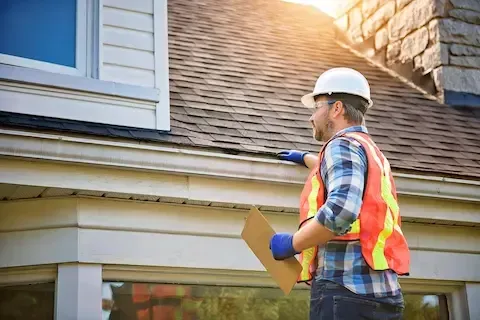
Pre-Sale Roof Inspection for Conway Arkansas Homes
Selling a home in Conway moves fast when everything lines up — and stalls hard when something unexpected surfaces at inspection. The roof is one of the top deal-killers in any Arkansas real estate transaction, and in a market where buyers are already cautious about age and condition, an undisclosed roofing problem can unravel weeks of negotiation in a single afternoon. Getting a pre-sale roof inspection before you list gives you the clearest possible picture of what's up there, what buyers will see, and what's worth addressing before the offers come in.
Why Pre-Sale Roof Inspections Matter in Conway
Conway's climate puts roofs through a punishing cycle every year. Spring storm seasons bring hail and high winds. Summer heat drives shingle degradation faster than in cooler climates. Fall brings leaf debris that traps moisture, and winter occasionally delivers ice and freeze-thaw stress. A roof that looked fine two seasons ago may have developed issues you can't see from the ground.
When a buyer's inspector identifies roofing problems during their due diligence period, you've lost control of the conversation. You're now negotiating from a reactive position — accepting a repair credit, dropping the price, or watching the deal fall through entirely. A pre-sale inspection flips that dynamic. You know what's there before anyone else does, and you can decide how to handle it on your own terms and timeline.
For homeowners in neighborhoods like Oak Creek, College Station, or along the Harkrider corridor where home ages vary widely, this matters even more. Buyers shopping Conway real estate are comparing properties with varying roof ages and condition, and a documented clean inspection can become a genuine selling point rather than just a liability check.
What a Pre-Sale Roof Inspection Actually Covers
A thorough pre-sale roof inspection goes well beyond a visual scan from the driveway. An inspector will walk the roof surface, examine shingle condition, and look for signs of granule loss, cracking, cupping, or wind lift. They'll check every penetration point — pipe boots, vents, HVAC curbs, skylights — because these are where leaks most commonly originate.
Flashing is another critical area. Step flashing along dormers, valley flashing, and chimney counter-flashing deteriorate differently than field shingles, and their failure often doesn't produce visible interior water damage until it's significant. A pre-sale inspection will call these out specifically, with enough detail for you to get repair quotes before listing.
Gutters and fascia are typically included because they affect how water moves off the roof and whether it's causing damage to the structure below. Soffit ventilation is checked because inadequate attic airflow leads to premature shingle aging — something buyers with any roofing knowledge will notice immediately.
You'll also get a condition assessment that speaks to estimated remaining life. This is the number buyers and their agents ask about most often. If your roof has five years left on its expected lifespan, that's a very different conversation than one with fifteen.
Common Issues That Surface in Conway Pre-Sale Inspections
Given Conway's storm history and the age range of housing stock here, certain problems appear consistently in pre-sale findings. Hail damage is the most frequently discovered issue — and the most actionable, because it's often an insurance claim rather than an out-of-pocket repair. Hail impact creates micro-fractures in shingles that accelerate deterioration and can affect the roof's warranted performance, but many homeowners never file a claim because the damage isn't visible from the ground.
Wind damage is the second most common finding. Missing shingles or lifted edges along rakes and ridges let water intrude in ways that may not be visible in the attic until there's significant wood damage underneath. Central Arkansas wind events, particularly the spring system storms that track through Faulkner County, routinely unseal shingle tabs and break ridge cap fastening.
Pipe boot failures are nearly universal on roofs older than twelve to fifteen years. The rubber collar that seals around plumbing penetrations deteriorates with UV exposure and temperature cycling, and a cracked boot is one of the most direct leak paths on any Arkansas roof. Replacing them is inexpensive and straightforward, but if they show up in a buyer's inspection report uncorrected, they signal deferred maintenance — which triggers questions about what else might have been ignored.
For a deeper look at what routine roof assessments should include year-round, the annual roof inspection guide breaks down the full process in detail.
Repair Versus Disclose: Making the Call Before You List
Once you have the inspection report in hand, you're making a business decision. Not every finding requires a repair before listing — but everything in that report becomes a disclosure item if you don't fix it. Arkansas real estate disclosure requirements mean you can't knowingly conceal material defects, so the question isn't whether to be transparent. It's whether you fix the problem first or hand the buyer a documented issue and price accordingly.
For minor items like a few replacement shingles, resealed flashing, or new pipe boots, the repair cost is typically low enough that completing the work before listing is almost always the better financial choice. Buyers and agents apply disproportionate weight to open items on an inspection report — a $300 repair left undone routinely becomes a $1,200 negotiating concession.
For larger issues — a roof with significant storm damage, deteriorating decking, or a system approaching end of life — the calculation is different. Sometimes a proactive re-roof before listing is the right move. Other times, pricing with the condition disclosed and offering a documented repair credit makes more sense. An honest assessment from a qualified local roofer helps you run those numbers before you're under contract and under pressure.
Scheduling a Roof Inspection before you list means you're entering negotiation with full information — not discovering problems at the worst possible moment in your transaction timeline.
Timing Your Pre-Sale Inspection in Conway
Most real estate professionals in Central Arkansas recommend scheduling your pre-sale roof inspection at least four to six weeks before your intended list date. That window gives you time to obtain repair quotes, schedule any necessary work, and receive documentation you can share with buyers before they ever bring their own inspector to the property.
If you're listing in spring or early summer — peak selling season in Conway — be aware that post-storm inspection schedules fill quickly. A significant hail event or wind storm can back up roofing contractors and inspectors by several weeks. Getting your inspection done in late winter or early spring, before storm season peaks, protects your timeline and ensures you're not scrambling when you should be staging and showing.
The goal is simple: walk into closing with no roof surprises. In a market as competitive as Conway's, documented proof that your roof has been inspected, any issues addressed, and its remaining life assessed is a tangible advantage that protects both your sale price and your closing date.
