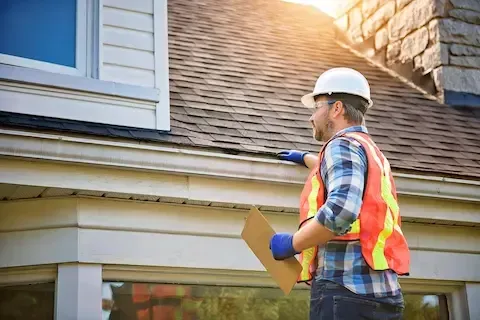
Drone Roof Inspection in Conway Arkansas Neighborhoods
Drone technology has revolutionized how roofing professionals assess residential properties throughout Conway, Arkansas. These unmanned aerial vehicles capture high-resolution images and video footage that reveal damage patterns invisible from ground level, providing homeowners with comprehensive documentation of their roof's condition without the safety risks and potential damage associated with traditional inspection methods.
Advanced Detection Capabilities of Aerial Roof Assessment
Modern drone systems equipped with high-definition cameras can identify subtle signs of damage that often escape notice during ground-based visual inspections. Hail bruising appears as small circular impressions on asphalt shingles, creating weak spots that may not be immediately visible but compromise the shingle's protective capabilities over time. The aerial perspective allows inspectors to document these impact patterns across the entire roof surface, creating a detailed map of damage distribution.
Valley wear represents another critical issue that drones excel at detecting. These V-shaped areas where two roof planes meet experience concentrated water flow during storms, leading to accelerated deterioration of shingles, underlayment, and flashing materials. Drone footage captures the subtle color variations and texture changes that indicate valley degradation, even in early stages when the damage might not yet cause leaks.
Flashing gaps around chimneys, vent penetrations, and roof-to-wall transitions create entry points for water infiltration. Traditional ladder-based inspections often miss these small separations, particularly on steep or complex roof configurations common in Conway's diverse architectural landscape. Aerial imaging provides clear documentation of flashing condition from multiple angles, ensuring comprehensive coverage of these vulnerable areas.
Weather-Related Damage Assessment in Central Arkansas
Conway's location in central Arkansas subjects residential properties to intense weather patterns including severe thunderstorms, hail events, and occasional ice storms. Roof Inspection services utilizing drone technology prove particularly valuable after these weather events, when homeowners need rapid damage assessment for insurance claims and repair planning.
Spring and early summer hailstorms frequently impact the Conway area, creating damage patterns that vary based on storm direction, hail size, and wind intensity. Drone inspections document the specific areas of impact, the severity of granule loss, and the overall percentage of roof surface affected. This documentation proves essential for insurance adjusters who require detailed evidence to process claims accurately.
High winds associated with severe weather can lift shingle edges, create creases, or completely remove individual shingles. Aerial footage captures these wind-related damage patterns across the entire roof structure, including areas that might be difficult or dangerous to access using traditional inspection methods.
Comprehensive Documentation and Reporting Process
Professional drone roof inspections generate detailed reports combining aerial imagery with thermal imaging data when available. These comprehensive assessments include photographic evidence of all identified issues, GPS coordinates for specific damage locations, and measurements of affected areas. The documentation process creates a permanent record that homeowners can reference for maintenance planning and insurance purposes.
Thermal imaging capabilities integrated into some drone systems detect temperature variations that indicate potential moisture intrusion or insulation problems. These thermal signatures often reveal hidden issues before they become visible damage, allowing property owners to address problems proactively rather than reactively.
Video documentation provides dynamic perspective on roof conditions, showing how water flows across the surface during simulated rain conditions and highlighting areas where drainage problems might develop. This moving imagery complements still photographs by demonstrating the functional aspects of roof performance.
Safety Advantages Over Traditional Inspection Methods
Traditional roof inspections require technicians to physically access the roof surface, creating safety risks and potential for additional damage. Walking on aged or compromised roofing materials can crack brittle shingles, compress granule surfaces, or disturb flashing seals. Drone technology eliminates these concerns while providing superior visual access to roof conditions.
Conway's residential architecture includes many steep-slope roofs, complex geometries, and multi-story structures that present significant challenges for traditional inspection methods. Drone platforms navigate these configurations safely, capturing detailed imagery from optimal angles without requiring ladder placement or roof access.
Weather conditions that might prevent traditional inspections, such as wet surfaces or moderate winds, typically do not affect drone operations. Modern systems operate safely in various environmental conditions, providing flexibility in scheduling inspections based on homeowner availability rather than perfect weather windows.
Cost-Effectiveness and Time Efficiency
Drone roof inspections typically require significantly less time than traditional methods while providing more comprehensive coverage. A complete residential property assessment can often be completed in under an hour, including setup, flight operations, and initial image review. This efficiency translates to cost savings for homeowners while ensuring thorough documentation of roof conditions.
The detailed imagery produced during drone inspections reduces the need for follow-up visits to clarify damage extent or location. Property owners receive comprehensive documentation immediately following the inspection, enabling quick decision-making regarding repairs and insurance claims.
For homeowners considering the annual roof inspection guide, drone technology offers an excellent option for routine maintenance assessment without the disruption and expense associated with traditional inspection methods.
Regulatory Considerations and Professional Certification
Commercial drone operations for roof inspection services require Federal Aviation Administration certification and adherence to specific operational guidelines. Licensed drone operators maintain current knowledge of airspace restrictions, weather limitations, and safety protocols that ensure compliant and professional service delivery.
Conway's proximity to municipal airports and military installations creates specific airspace considerations that professional drone operators navigate through proper flight planning and coordination. Certified operators understand these restrictions and plan flight operations to comply with all applicable regulations while providing comprehensive roof assessment services.
Integration with Insurance Claim Processes
Insurance companies increasingly accept drone inspection documentation as primary evidence for property damage claims. The high-resolution imagery and comprehensive coverage provided by aerial inspections often expedite claim processing compared to traditional assessment methods that might require multiple site visits.
Professional drone inspection reports include standardized documentation formats that insurance adjusters recognize and accept. This consistency in reporting helps ensure that legitimate damage claims receive proper consideration and appropriate settlement offers.
Drone roof inspections represent a significant advancement in property assessment technology, offering Conway homeowners safer, more comprehensive, and cost-effective evaluation of their roofing systems. This innovative approach provides the detailed documentation necessary for informed maintenance decisions and successful insurance claim processing while eliminating the safety risks and potential damage associated with traditional inspection methods.
