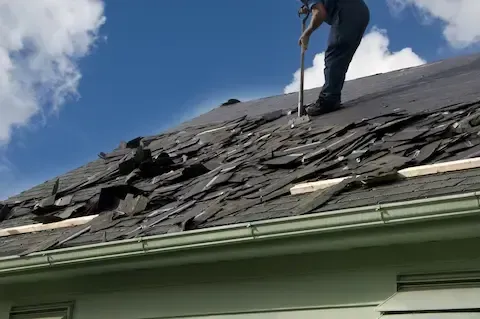
Roof Tarping After Storm Damage in Conway Arkansas
Emergency roof tarping protects your Conway home from further water damage after storm strikes by creating a temporary waterproof barrier over exposed areas. Professional crews secure heavy-duty tarps with wood strips and fasteners, preventing rain from reaching damaged decking, insulation, and interior spaces while you arrange permanent repairs. This immediate response can save thousands in additional damage costs.
How do you assess storm damage before tarping?
Walk around your Conway property from ground level to identify visible damage like missing shingles, exposed decking, or debris penetration. Look for water stains on interior ceilings and walls that indicate active leaks. Document everything with photos for insurance claims before emergency crews arrive. Never climb onto a damaged roof yourself - storm-weakened structures pose serious safety risks.
Professional assessors check for structural integrity issues that affect tarp installation methods. They identify areas where decking may be compromised, requiring additional support before tarping can proceed safely.
What materials are needed for emergency roof tarping?
Heavy-duty polyethylene or vinyl tarps rated for outdoor use provide the primary waterproof barrier. Six-mil thickness minimum ensures durability against Arkansas weather conditions. Wood strips, typically 1x3 or 1x4 lumber, secure tarp edges to prevent wind uplift.
Galvanized roofing nails or screws with washers create weatherproof attachment points. Rope or bungee cords provide additional tie-down security in high-wind areas. Professional crews often use specialized tarp clips that grip materials without creating additional penetrations in damaged roofing.
How do you safely access a storm-damaged roof?
Use properly positioned extension ladders with someone spotting from below. Avoid areas near power lines or where debris has accumulated. Wear non-slip footwear and safety equipment including hard hats and harnesses when possible.
Professional emergency crews often use scaffolding or aerial equipment for safer access to Emergency Roof Repair situations. They assess walking surfaces before proceeding, avoiding areas where decking may be compromised by water damage or impact.
What is the proper tarp installation technique?
Begin by clearing loose debris from the damaged area while avoiding further damage to surrounding materials. Measure the affected area and select a tarp that extends at least two feet beyond the damage on all sides.
Position the tarp over the damaged area, ensuring adequate overlap onto solid roofing materials. Secure the uphill edge first using wood strips nailed through the tarp into solid decking or rafters. Work downhill, pulling the tarp taut to prevent water pooling.
Fasten side edges with additional wood strips, maintaining consistent tension. The downhill edge should extend over the roof edge or into gutters to direct water away from the structure. Ensure no gaps exist where wind could lift the covering.
How long do emergency tarps remain effective?
Quality emergency tarps properly installed can protect Conway homes for several weeks to months, depending on weather conditions. Arkansas storms, UV exposure, and temperature fluctuations gradually degrade tarp materials over time.
Regular inspection every few days helps identify loose fasteners, tears, or areas where wind has lifted edges. Professional installation typically lasts longer than DIY attempts due to proper material selection and fastening techniques. Plan permanent repairs within 30-60 days when possible.
What are common tarping mistakes to avoid?
Inadequate overlap beyond damaged areas allows water infiltration around tarp edges. Using lightweight tarps or household plastic sheeting provides insufficient protection against Arkansas weather conditions. Insufficient fastening leads to wind damage and tarp failure during subsequent storms.
Failing to address multiple damage areas comprehensively can result in continued water intrusion. Some homeowners attempt repairs during active weather, creating dangerous conditions. For detailed guidance on emergency response procedures, consult our emergency roof repair page for comprehensive information.
When should you call professional emergency services?
Contact professional emergency roofers immediately for extensive damage covering large roof areas or structural compromise. Multiple story homes require professional equipment and safety measures beyond typical homeowner capabilities. Electrical hazards from damaged wiring or nearby power lines necessitate professional assessment.
Insurance companies often require professional documentation for claims processing. Conway area emergency roofers understand local building codes and weather patterns, ensuring appropriate materials and installation methods for Arkansas conditions.
How does emergency tarping affect insurance claims?
Most insurance policies cover emergency tarping costs as part of immediate damage mitigation requirements. Document all materials and labor costs for reimbursement claims. Professional installation often provides better documentation and warranty coverage than DIY approaches.
Prompt action demonstrates responsible property maintenance to insurance adjusters. Delayed protection that allows additional water damage may complicate claims processing and coverage determinations.
