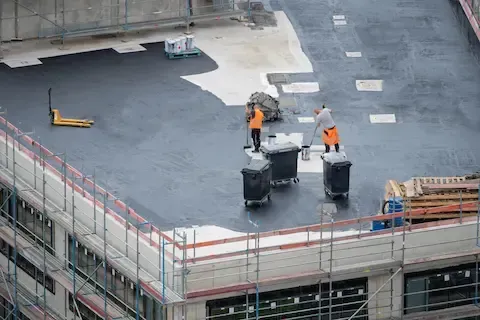
Commercial Roofing in Conway AR and Faulkner County
When your commercial property in Conway or Faulkner County needs a new roof, you're facing one of the most significant infrastructure investments your business will make. Commercial roofing systems differ dramatically from residential installations, requiring specialized materials, installation techniques, and ongoing maintenance protocols that can impact your bottom line for decades.
Understanding Commercial Roofing Systems
Commercial roofing encompasses several distinct membrane types, each engineered for specific building requirements, climate conditions, and budget constraints. Unlike residential shingles, commercial systems must handle larger surface areas, minimal slopes, and more complex drainage patterns while withstanding Arkansas's variable weather conditions.
TPO (Thermoplastic Polyolefin) membranes represent the most popular choice for new commercial installations in Conway. These single-ply systems offer excellent energy efficiency through their reflective white surface, reducing cooling costs during Arkansas's hot summers. TPO installation involves mechanically fastening or fully adhering the membrane to the roof deck, then heat-welding seams to create a monolithic barrier.
EPDM (Ethylene Propylene Diene Monomer) provides another single-ply option with proven longevity. This synthetic rubber membrane excels in temperature extremes and offers superior flexibility, making it ideal for buildings with thermal expansion concerns. EPDM typically costs less than TPO initially but may require more frequent maintenance over its lifespan.
Modified bitumen systems combine traditional built-up roofing concepts with modern polymer technology. These multi-layer systems use reinforced membranes with either APP (plastomeric) or SBS (elastomeric) modifiers, providing excellent puncture resistance and self-healing properties when properly installed.
Built-up roofing (BUR) remains relevant for specific applications, particularly where multiple layers of protection are paramount. These systems alternate layers of bitumen and reinforcing fabric, creating a time-tested barrier that can last 30+ years with proper maintenance. Narrowing it to the two most common membranes? Read TPO vs EPDM for Conway AR buildings.
Climate-Specific Considerations for Arkansas
Conway's humid subtropical climate presents unique challenges for commercial roofing systems. Summer temperatures regularly exceed 90°F, creating thermal stress that can compromise membrane integrity and accelerate aging. The region's high humidity levels can promote moisture infiltration if drainage systems aren't properly designed and maintained.
Arkansas experiences significant temperature fluctuations between seasons, with winter lows occasionally dropping below freezing. This thermal cycling causes expansion and contraction that can stress seams, fasteners, and penetrations. Commercial roofing systems in Faulkner County must accommodate these movements without compromising waterproof integrity.
Severe weather events, including hail storms and high winds, occur regularly throughout central Arkansas. Commercial roofing materials must meet specific impact resistance ratings and wind uplift requirements based on local building codes. TPO and EPDM membranes can be reinforced with additional layers in high-risk areas.
The region's intense UV radiation accelerates membrane degradation, particularly affecting darker-colored materials. Reflective coatings and light-colored membranes help mitigate this effect while reducing cooling loads. Regular inspection and maintenance become crucial for extending system lifespan under these conditions.
Drainage and Water Management
Proper drainage represents the most critical aspect of commercial roofing design in Conway's high-rainfall environment. Arkansas receives approximately 50 inches of annual precipitation, with intense summer thunderstorms capable of overwhelming inadequate drainage systems.
Internal drains provide the most efficient water removal for large commercial buildings, positioning drains at low points with adequate slope toward each outlet. These systems require proper sizing based on roof area, local rainfall rates, and building codes. Backup drains or overflow scuppers prevent catastrophic failure if primary drains become blocked.
Scupper and downspout systems work effectively for buildings with parapet walls, allowing water to exit through controlled openings. These systems require careful sizing and placement to handle peak flow rates without causing ponding or structural stress.
Positive drainage design ensures water moves efficiently off the roof surface without creating standing water areas. Even "flat" commercial roofs require minimum slopes toward drains, typically 1/4 inch per foot for primary drainage and 1/8 inch per foot for secondary drainage paths.
Tapered insulation systems create proper drainage slopes while improving thermal performance. These systems eliminate the need for structural modifications while ensuring effective water management and energy efficiency improvements. Ponding water on a low-slope roof? See our guide to flat roof drainage for Conway commercial buildings.
Installation and Attachment Methods
Commercial roofing installation methods significantly impact system performance, warranty coverage, and long-term maintenance requirements. The attachment method must accommodate building design, local wind loads, and membrane type while ensuring proper adhesion and weather resistance.
Mechanically fastened systems use specialized screws and plates to secure membranes to the roof deck. This method allows for thermal movement and provides excellent wind uplift resistance when properly designed. Fastener patterns must follow manufacturer specifications and local building codes for Conway's wind zone requirements.
Fully adhered installations bond the membrane directly to the substrate using compatible adhesives. This method provides superior puncture resistance and eliminates fastener penetrations through the membrane. However, it requires precise surface preparation and environmental conditions during installation.
Ballasted systems hold membranes in place using gravel, pavers, or other approved ballast materials. While cost-effective initially, these systems add significant structural load and may not be suitable for all buildings. Local building codes in Faulkner County may restrict ballasted installations based on wind zone classifications.
Hybrid attachment methods combine multiple techniques to optimize performance and cost. For example, perimeter and penetration areas might be fully adhered while field areas use mechanical fastening. These systems require careful design to ensure compatibility between different attachment methods.
Insulation and Energy Performance
Commercial roofing insulation directly impacts building energy costs, occupant comfort, and system longevity. Arkansas's climate requires insulation strategies that address both heating and cooling loads while managing moisture and thermal bridging concerns.
Polyisocyanurate (polyiso) insulation provides excellent thermal performance per inch of thickness, making it ideal for retrofit applications with height restrictions. However, its performance decreases at lower temperatures, requiring careful consideration for Arkansas's winter conditions.
Expanded polystyrene (EPS) maintains consistent thermal performance across temperature ranges and offers excellent moisture resistance. Its lower cost makes it attractive for budget-conscious projects, though it requires thicker installations to achieve equivalent R-values.
Extruded polystyrene (XPS) provides superior moisture resistance and compressive strength, making it suitable for areas with potential water exposure. Its consistent thermal performance and dimensional stability work well in Arkansas's variable climate conditions.
Tapered insulation systems address both thermal performance and drainage requirements simultaneously. These systems eliminate thermal bridging while creating proper slopes for water management, providing dual benefits that justify their higher initial cost.
When planning commercial roofing improvements, consider consulting with Commercial Roofing specialists who understand local building requirements and climate challenges specific to central Arkansas.
Maintenance and Lifecycle Management
Preventive maintenance programs significantly extend commercial roofing system lifespan while reducing unexpected repair costs. Arkansas's climate demands regular attention to drainage systems, membrane condition, and penetration seals to prevent minor issues from becoming major failures.
Bi-annual inspections should occur in spring and fall, before and after the most challenging weather seasons. These inspections focus on drain clearance, seam integrity, fastener tightness, and any signs of membrane deterioration or damage from recent storms.
Drain maintenance requires quarterly attention during peak debris seasons. Leaves, debris, and sediment can quickly overwhelm drainage systems, leading to ponding water that accelerates membrane aging and increases structural loads. Professional maintenance ensures proper flow rates and prevents backup situations.
Membrane repairs address punctures, tears, and seam failures before they allow water infiltration. Modern repair materials and techniques can restore membrane integrity when applied correctly, often extending system life by decades when performed promptly.
Coating applications can rejuvenate aging membrane surfaces while improving energy performance. Reflective coatings reduce UV degradation and thermal stress while lowering cooling costs. These applications require proper surface preparation and environmental conditions for optimal adhesion and longevity.
Cost Factors and Budget Planning
Commercial roofing costs in Conway vary significantly based on membrane type, building complexity, access challenges, and local market conditions. Understanding these factors helps property owners make informed decisions that balance initial investment with long-term performance.
Material costs represent 40-60% of total project expenses, with premium membranes commanding higher prices but often providing better warranty coverage and longer service life. TPO systems typically cost more than EPDM initially but may offer better energy savings over time.
Labor costs reflect the specialized skills required for commercial roofing installation. Certified installers command premium rates but provide warranty protection and quality assurance that protects your investment. Attempting to reduce labor costs often leads to performance issues and voided warranties.
Access and logistics significantly impact project costs, particularly for occupied buildings or complex roof configurations. Crane requirements, material hoisting, and work scheduling around business operations add expenses that must be factored into budget planning.
Removal and disposal of existing roofing materials can represent substantial costs, especially for multiple-layer systems or materials requiring special handling. However, complete tear-off often provides the best foundation for new system performance and longevity.
For emergency situations that require immediate attention, review our emergency roof repair page to understand temporary protection options while planning comprehensive roof replacement.
Local Building Codes and Permit Requirements
Conway and Faulkner County enforce specific building codes that govern commercial roofing installations, materials, and performance standards. These regulations ensure public safety while protecting property owners from substandard installations that could fail during severe weather events.
Wind load requirements reflect Arkansas's exposure to severe weather, including straight-line winds and occasional tornadoes. Commercial roofing systems must demonstrate adequate uplift resistance through testing and engineering calculations that account for building height, exposure category, and local wind speed requirements.
Fire resistance ratings become critical for commercial buildings, particularly those near property lines or in high-density areas. Class A fire ratings are typically required, with specific underwriter listings needed for each membrane and substrate combination.
Permit applications require detailed plans showing drainage design, insulation specifications, and attachment methods. Local building departments review these plans to ensure compliance with current codes and proper engineering practices before approving construction.
Inspection requirements mandate periodic reviews during installation to verify proper techniques and materials. Final inspections ensure completed systems meet all code requirements before issuing certificates of occupancy or completion.
Selecting Qualified Contractors
Choosing qualified commercial roofing contractors in the Conway area requires careful evaluation of experience, certifications, and track record with similar projects. The complexity of commercial systems demands specialized knowledge that general contractors may not possess.
Manufacturer certifications indicate contractors have received proper training on specific membrane systems and installation techniques. These certifications often provide access to extended warranties and technical support that protect your investment long-term.
Local experience matters significantly for commercial roofing projects. Contractors familiar with Arkansas building codes, climate challenges, and local supply chains can navigate projects more efficiently while avoiding common pitfalls that affect out-of-area contractors.
Insurance and bonding requirements protect property owners from potential liabilities during construction and provide recourse if contractors fail to complete projects satisfactorily. Adequate coverage levels reflect contractor stability and professional standing within the industry.
Project references from similar commercial buildings in Faulkner County provide valuable insights into contractor performance, communication, and problem-solving abilities. Recent projects demonstrate current capabilities and ongoing business relationships.
Commercial roofing represents a substantial investment in your Conway property's future. The complex interplay of materials, installation methods, climate factors, and maintenance requirements demands careful planning and professional execution. By understanding these factors and working with qualified contractors, you can achieve a roofing system that protects your investment while minimizing long-term operating costs.
