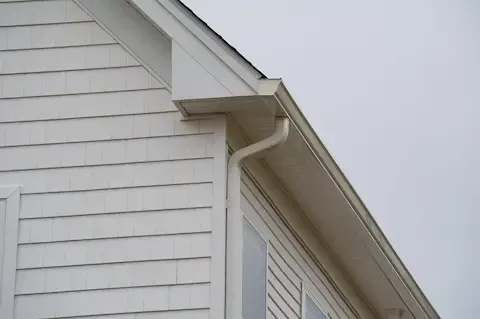
Gutter Installation in Conway AR and Faulkner County
Proper gutter installation protects your Conway home from water damage, foundation issues, and costly structural repairs. Arkansas weather patterns demand reliable drainage systems that handle everything from spring thunderstorms to winter ice. Understanding material options, sizing calculations, and local installation requirements helps you make informed decisions about protecting your property investment.
Material Selection for Arkansas Weather
Conway homeowners face unique climate challenges that influence gutter material performance. Aluminum gutters dominate the local market due to their resistance to Arkansas humidity and thermal expansion characteristics. These systems typically last 20-25 years with proper installation and maintenance.
Seamless aluminum gutters offer superior performance over sectional systems. The continuous construction eliminates leak points that plague traditional gutters during Faulkner County's intense rainfall periods. Professional installation creates custom-fitted systems that handle your specific roofline configuration.
Copper gutters provide premium durability for Conway's historic districts and high-end properties. While initial costs run higher, copper systems develop protective patina that withstands decades of Arkansas weather exposure. The material's thermal properties handle temperature fluctuations without cracking or warping.
Steel gutters work well for commercial applications and specific residential situations. Hot-dipped galvanized steel resists corrosion better than painted alternatives. However, Arkansas humidity accelerates rust formation, making regular maintenance essential for longevity.
Vinyl gutters offer budget-friendly installation but struggle with Conway's temperature extremes. Summer heat causes expansion and winter cold creates brittleness. Professional installers often recommend against vinyl for Arkansas applications due to premature failure rates. Weighing the two construction methods? Compare seamless vs sectional gutters for Faulkner County homes.
Sizing Calculations and Capacity Planning
Proper gutter sizing prevents overflow damage during Arkansas storms. Standard residential gutters measure 5 or 6 inches, but your specific requirements depend on roof area, pitch, and regional rainfall intensity. Conway receives approximately 50 inches of annual precipitation, with peak intensities reaching 4 inches per hour during severe thunderstorms.
Roof area calculations determine minimum gutter capacity. Multiply your roof's length by width for square footage, then apply pitch factors for sloped surfaces. Steeper roofs concentrate water flow, requiring larger gutter systems or additional downspouts for adequate drainage.
Faulkner County building codes specify minimum downspout requirements based on roof area. Generally, each downspout handles 600-800 square feet of roof surface. Complex rooflines or areas with concentrated water flow need additional drainage points to prevent system overload.
Gutter slope affects drainage efficiency significantly. Professional installers create 1/16-inch drop per foot of run toward downspouts. Improper slope causes standing water, which leads to mosquito breeding, ice formation, and premature system deterioration.
Overflow calculations account for extreme weather events. Gutter Installation professionals design systems with 25% excess capacity beyond normal requirements. This buffer prevents damage during Conway's heaviest rainfall periods when standard calculations prove insufficient.
Downspout Placement and Drainage Strategy
Strategic downspout placement directs water away from your foundation while maintaining system efficiency. Conway's clay soil composition makes proper drainage placement critical for preventing foundation settling and basement moisture issues.
Downspout locations should position water discharge at least 10 feet from your foundation. Arkansas clay expands when saturated, creating pressure against foundation walls. Proper drainage prevents this costly structural damage while maintaining soil stability around your property.
Underground drainage extensions provide superior water management for Conway properties. These systems connect to French drains, storm sewers, or designated drainage areas that handle concentrated water flow without creating erosion or pooling problems.
Multiple downspout configurations work better than single large systems for most Conway homes. Distributed drainage prevents overwhelming any single discharge point while providing backup capacity if one downspout becomes blocked during storm events.
Leaf guards and debris protection systems reduce maintenance requirements and prevent system blockages. Conway's mature tree canopy creates significant debris loads that can overwhelm unprotected gutters. Professional installation includes appropriate protection based on your specific property conditions. Under oak canopy? See which gutter guards actually keep acorns and leaves out in Conway.
Installation Process and Timeline
Professional gutter installation begins with accurate measurement and system design. Experienced contractors evaluate your roofline, assess drainage requirements, and create installation plans that address Conway's specific weather challenges and building requirements.
Fascia board inspection precedes installation work. Arkansas humidity and temperature cycles stress these wooden components over time. Damaged fascia requires repair or replacement before new gutter installation to ensure proper mounting and long-term system integrity.
Seamless gutter fabrication happens on-site using specialized equipment. Mobile fabrication units create continuous sections that fit your exact measurements without joints or seams that could leak over time. This process eliminates transportation damage and ensures perfect fit.
Mounting bracket placement follows manufacturer specifications and local building codes. Proper spacing prevents sagging while supporting Arkansas snow loads and ice accumulation. Professional installers understand bracket requirements for different gutter materials and loading conditions.
Installation timeline varies based on home size and complexity. Simple ranch homes typically require one day for complete installation, while multi-story properties with complex rooflines may need 2-3 days. Weather delays extend timelines during Conway's rainy periods, so scheduling flexibility helps ensure quality results.
Common Installation Mistakes
Improper slope represents the most frequent gutter installation error in Faulkner County. DIY installations often create flat or backwards-sloping sections that pool water and encourage ice formation. These problems require complete reinstallation to correct properly.
Inadequate fastening creates system failure during Arkansas wind storms. Cheap brackets or insufficient mounting points allow gutters to pull away from fascia boards under load. Professional installation uses appropriate fastening schedules based on local wind exposure and system weight.
Wrong downspout sizing restricts water flow despite adequate gutter capacity. Undersized downspouts create bottlenecks that cause overflow during heavy rainfall. Proper system design matches downspout capacity to gutter collection area and regional precipitation intensity.
Poor joint sealing leads to premature leaking in sectional systems. Arkansas temperature cycles stress sealant materials over time. Quality installation uses appropriate sealants rated for local climate conditions with proper application techniques.
Ignoring thermal expansion causes system stress and failure. Aluminum gutters expand and contract significantly with temperature changes. Professional installation includes expansion joints and flexible mounting systems that accommodate this movement without damage.
Local Code Requirements and Permits
Conway building codes regulate gutter installation as part of overall drainage systems. Residential installations typically don't require separate permits, but major modifications or commercial work may trigger permit requirements. Understanding local regulations prevents costly compliance issues.
Faulkner County stormwater management ordinances affect drainage discharge requirements. New installations must comply with runoff control measures that prevent erosion and protect neighboring properties. Professional contractors understand these requirements and design compliant systems.
Historic district properties in Conway face additional installation restrictions. The Historic District Commission reviews exterior modifications to ensure compatibility with neighborhood character. Approved materials and colors maintain aesthetic standards while providing functional drainage.
Homeowner association rules may restrict gutter colors, materials, or installation timing. Review HOA covenants before beginning installation work to avoid violations and potential removal requirements. Many associations specify neutral colors that complement neighborhood aesthetics.
Insurance considerations affect installation decisions and coverage requirements. Some policies require professional installation for coverage validation. our attic ventilation breakdown explains how proper ventilation works with gutter systems to protect your home and maintain insurance compliance.
Maintenance and Longevity Factors
Regular maintenance extends gutter system life and prevents costly repairs. Conway's climate creates specific maintenance needs including debris removal, sealant inspection, and bracket tightening after thermal cycling. Establishing maintenance schedules prevents minor issues from becoming major problems.
Seasonal cleaning removes leaves, twigs, and sediment that accumulate in Arkansas gutters. Spring and fall cleaning sessions address peak debris periods while allowing inspection of system components. Professional cleaning services understand local debris patterns and provide thorough system evaluation.
Ice dam prevention requires proper insulation and ventilation coordination. Arkansas winters create freeze-thaw cycles that stress gutter systems and create ice buildup. Proper attic insulation and ventilation prevent heat loss that contributes to ice dam formation.
Component replacement schedules help budget for long-term maintenance costs. Downspout connections, brackets, and sealants wear at different rates than main gutter sections. Understanding replacement cycles helps maintain system integrity without full system replacement.
Professional inspection services identify potential problems before they cause damage. Annual or bi-annual inspections by qualified contractors catch developing issues when repairs cost less than replacements. These services provide documentation for insurance and warranty purposes.
Cost Factors and Investment Value
Gutter installation costs vary based on material selection, system complexity, and labor requirements. Conway market rates reflect regional material costs, labor availability, and local competition levels. Understanding cost factors helps budget appropriately for quality installation.
Material costs represent 40-60% of total project expense. Aluminum systems cost less than copper or steel alternatives, but installation complexity affects labor requirements regardless of material choice. Premium materials justify higher costs through extended service life and reduced maintenance needs.
Property value impact makes quality gutter installation worthwhile for Conway homeowners. Well-designed systems protect structural integrity while improving curb appeal. Real estate professionals recognize quality drainage systems as positive selling features that reduce buyer concerns.
Long-term cost analysis favors professional installation over DIY approaches. Quality installation prevents premature replacement, reduces maintenance costs, and protects against water damage that exceeds initial installation savings. Professional warranties provide additional value protection.
Financing options help manage installation costs for Conway homeowners. Many contractors offer payment plans or work with financing companies that specialize in home improvement projects. Insurance claims may cover installation costs when storm damage affects existing gutter systems.
