Shelter Insurance Roof Claim Process for Conway AR
If your home in Conway is insured through Shelter Insurance and a storm has left your roof damaged, the claims process you're about to navigate has a few distinct characteristics worth understanding before you pick up the phone. Shelter is a regional carrier with a strong presence across Arkansas, and while their adjusters are generally knowledgeable and fair, the process still requires you to be organized, documented, and prepared to advocate for your repair scope. Knowing exactly what to expect at each stage can mean the difference between a payout that covers your actual repair costs and one that leaves you short.
How Shelter Insurance Handles Roof Damage Claims in Arkansas
Shelter Insurance operates through a local agent model, which means your first point of contact after storm damage will typically be your assigned Conway-area agent rather than a national 1-800 call center. This is actually an advantage. Your agent knows the local market, understands that Conway sits in a hail corridor prone to spring storm activity, and can help ensure your claim is properly categorized from the start.
Once you report the damage, Shelter will assign an independent or staff adjuster to inspect your property. Turnaround times vary depending on how widespread the storm event was. After a significant weather system moves through Faulkner County, adjusters can be backed up for one to two weeks. During that window, your job is to prepare.
Documenting Your Roof Damage Before the Adjuster Arrives
The documentation phase is where many Conway homeowners fall behind, and it directly affects the size of their settlement. Before the adjuster visits, you want a thorough record of every form of damage visible on and around your home. This includes:
- Photographs and video of every roof slope, taken from ground level and, if safe, from a ladder at the eave
- Close-up photos of bruised or missing shingles, cracked ridge caps, and damaged pipe boots or flashing
- Images of gutters showing dents, granule accumulation, and dings along the fascia
- Photos of any soft metal surfaces — vents, AC caps, satellite dish mounts — which serve as unbiased indicators of hail size and impact severity
- Date and time stamps on all media
If you already work with a Roofing Insurance Claims contractor, invite them to be present during your adjuster inspection. In Arkansas, you have the right to have a contractor on site, and their presence ensures the scope of damage is identified completely, not just what the adjuster spots in a 20-minute walk.
What the Shelter Adjuster Is Looking For
Shelter adjusters use Xactimate or a comparable estimating platform to calculate repair costs. They will assess the number of squares of roofing affected, the pitch of your roof, the material type, and the labor complexity involved. They will also factor in your policy's deductible and apply depreciation if your policy includes Actual Cash Value provisions rather than Replacement Cost Value.
The distinction between ACV and RCV policies is critical in Conway's housing market, where many older homes in neighborhoods like College Station or South Conway carry policies with significant depreciation schedules. Under an ACV policy, Shelter pays the depreciated value of your roof upfront. Under an RCV policy, they pay the depreciated amount first and release the recoverable depreciation after repairs are completed and invoiced. Make sure you know which policy type you hold before the adjuster visit.
Supplements and Scope Disputes with Shelter Insurance
Even when an initial adjuster visit goes smoothly, the first estimate is rarely the final one. Supplement requests — where additional line items are added to the approved scope — are standard practice in Arkansas roofing claims. Common items that get missed in initial Shelter estimates include:
- Drip edge replacement, which is required by Arkansas building code on a full reroof
- Ice and water shield underlayment in required zones
- Starter strip shingles as a separate line item
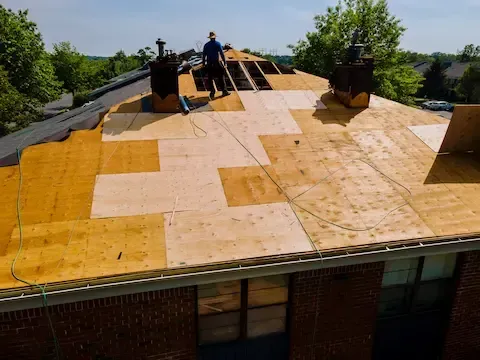
- Decking replacement for rotted or storm-damaged plywood
- Permit fees charged by the City of Conway
- Haul-away and disposal charges
A licensed contractor familiar with the roof insurance claim process in Arkansas will know which of these items to flag and how to submit documentation to Shelter in a format their adjusters accept. Supplement negotiation is not confrontational — it is a documentation exercise, and Shelter, like most carriers, processes properly submitted supplements without significant resistance when the evidence is clear.
Common Mistakes Conway Homeowners Make During Shelter Claims
Several missteps consistently result in underpaid claims or extended delays for homeowners throughout Faulkner County. The most common include:
Waiting too long to file. Arkansas policies generally require prompt reporting after a loss event. Storm damage from a June weather system filed in August may face scrutiny about the exact date of loss.
Accepting the first estimate without review. The initial ACV payment is a starting point, not a final offer. Homeowners who cash that check without reviewing the scope often leave hundreds or thousands of dollars in recoverable depreciation unclaimed.
Hiring an out-of-area contractor unfamiliar with Shelter's process. Regional carriers like Shelter have specific documentation preferences. A contractor who works exclusively with major national carriers may miss items that a locally experienced contractor would catch.
Not getting a public adjuster or contractor review on large losses. For significant hail or wind events affecting multiple slopes and components, a second set of professional eyes is almost always worth the time investment.
Local Considerations That Affect Your Shelter Claim in Conway
Conway's climate creates a distinct set of roofing conditions that influence how claims are evaluated. Spring storm systems that track through the Arkansas River Valley regularly produce hail between one and two inches in diameter — well within the range that causes functional damage to asphalt shingles even when that damage is not immediately visible from the street. Shelter adjusters working in the Conway area are generally familiar with this pattern, but the burden of establishing damage still rests with the homeowner and their contractor.
Additionally, the City of Conway requires permits for full roof replacements, and that permit cost is a legitimate claim expense that should appear in your final settlement. If you live in an older neighborhood near downtown Conway or near the University of Central Arkansas campus, your home may have roofing materials or flashing configurations that increase labor complexity — another reason to have your contractor's scope compared directly against Shelter's estimate before any work begins.
When to Involve a Public Adjuster or Attorney
Most Shelter roof claims in Conway resolve without formal dispute. However, if your claim is denied on the basis of pre-existing wear, maintenance deficiencies, or a determination that damage is cosmetic rather than functional, you have options. Arkansas allows policyholders to request appraisal under the policy's appraisal clause, which brings in a neutral third party to resolve disagreements over the amount of loss. This process is faster and less expensive than litigation and is appropriate when the dispute is about scope or dollar amount rather than coverage eligibility.
For outright denials based on coverage language, consulting with an Arkansas insurance attorney before accepting any final determination is a reasonable step, particularly on losses that exceed several thousand dollars in disputed value.
