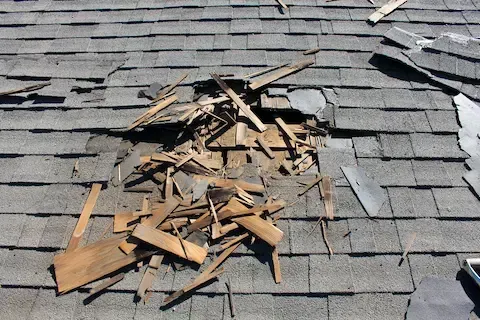
Tornado Roof Damage Response in Faulkner County AR
When a tornado tears through Faulkner County, the damage it leaves behind can be overwhelming. Roofs are among the most vulnerable parts of any home during a severe tornado event, and the decisions you make in the first hours after a storm can significantly affect both your safety and your ability to recover financially. Understanding what steps to take — and in what order — gives Conway homeowners a real advantage when the storm has passed and the cleanup begins.
What Tornado Roof Damage Actually Looks Like
Tornado damage differs from ordinary storm damage in both scale and type. High-velocity rotational winds don't just strip shingles — they can lift entire roof sections, drive debris through decking, and compromise the structural integrity of trusses and rafters. In Conway and surrounding Faulkner County communities like Vilonia, Greenbrier, and Mayflower, tornado events have historically produced a wide range of roof damage profiles, from scattered shingle loss to near-complete roof removal.
Common signs of tornado roof damage include:
- Missing or displaced shingles across large sections of the roof
- Exposed roof decking or visible daylight from inside the attic
- Bent, twisted, or missing ridge caps and flashing
- Debris embedded in roofing materials
- Sagging or visibly shifted roof lines suggesting truss damage
- Interior water intrusion through ceilings or attic spaces
Not all of this damage is immediately visible from the ground. A roofline that looks intact from the street may have significant structural compromise that only becomes apparent during a close inspection.
Immediate Steps After a Tornado Strikes
Your first priority is always personal safety. Before approaching your home or attempting any inspection, confirm that there are no downed power lines near your property, no smell of natural gas, and no signs of structural collapse that could make entry dangerous. Faulkner County emergency services may also restrict access to certain areas immediately after a major tornado event, so follow any active instructions from local authorities.
Once you've confirmed the structure is safe to approach, take these steps in order:
- Document everything before touching anything. Use your phone to photograph and video the exterior damage, interior water intrusion, and any debris on or near the roof. This documentation is critical for your insurance claim.
- Contact your insurance carrier. Report the damage as soon as possible. Most policies require prompt notification, and delays can create complications during the claims process.
- Arrange emergency tarping. If there is any roof opening — missing shingles, holes, or lifted sections — temporary waterproofing is essential. Additional rain events are common in Arkansas following tornado systems, and open roof areas will allow water to enter the structure rapidly.
- Keep all receipts and records. Any money you spend on emergency protective measures is typically reimbursable under your homeowner's policy. Document every expense.
Emergency Tarping and Temporary Roof Protection
Temporary roof tarping is one of the most important immediate responses to tornado roof damage. A properly installed tarp covers exposed decking and openings, preventing rainwater from reaching ceilings, insulation, framing, and interior finishes. Water damage compounds quickly — what starts as a minor intrusion can become mold growth and structural rot within days in Arkansas's warm, humid climate.
When arranging emergency tarping, make sure the contractor or roofing professional securing the tarp is using materials and methods that will hold up to additional weather. In central Arkansas, the period immediately following a tornado often includes continued storm activity, so a hastily placed tarp that fails in the next rain event creates additional problems. For professional help with this, Storm Damage Roof Repair services are specifically designed to respond to these emergency situations with the right materials and crews ready to deploy.
Structural Assessment Comes Before Full Repair
Many homeowners want to move immediately to replacing missing shingles or patching visible gaps, but tornado damage often runs deeper than surface-level roofing materials. Before committing to any repair scope, a qualified roofing professional should assess the structural condition of your roof system — including the decking, trusses, and any attached structures like covered porches or garages that may have been affected.
In Faulkner County, where some areas have experienced multiple tornado events over the years, it's not uncommon to find that a roof has layered damage from more than one storm. A thorough inspection documents the current damage accurately and ensures that any repair estimate reflects the true scope of work rather than just what's visible from a quick walkthrough.
Working With Your Insurance Adjuster
After a major tornado event in Conway or surrounding Faulkner County communities, insurance adjusters are often managing a high volume of claims simultaneously. That volume can lead to rushed inspections or assessments that miss less obvious damage. Having your own documentation — photos, video, and ideally a written scope of damage from a roofing professional — gives you a strong foundation for ensuring your claim reflects the actual damage your home sustained.
A few things to keep in mind during the claims process:
- Request a copy of your adjuster's inspection report and review it carefully
- If you believe damage was missed or undervalued, you have the right to request a re-inspection
- Be cautious of contractors who approach you unsolicited after a storm — post-tornado contractor fraud is a documented pattern in Arkansas following major events
- Work with locally established roofing professionals who know Faulkner County building codes and can pull the necessary permits for repair work
For more context on what to expect from a post-storm roofing project in this area, review our storm damage repair coverage for a detailed breakdown of the repair process and what homeowners should anticipate from start to finish.
Debris Cleanup and Site Safety
Tornado debris removal is more than a cosmetic concern. Broken lumber, roofing nails, shingle fragments, and structural materials scattered across your property create real hazards for anyone moving through the area. Debris can also conceal additional damage to fascia, gutters, soffits, and exterior walls that needs to be identified before repair work begins.
In Conway and the broader Faulkner County area, tornado debris cleanup should follow any local disposal guidelines. Bulk debris pickup schedules and drop-off locations are typically communicated through the City of Conway and Faulkner County emergency management channels following a declared disaster event.
Why Local Roofing Response Matters After a Tornado
Following any significant tornado in central Arkansas, out-of-state roofing contractors often move into the area looking for post-disaster work. While some may be legitimate, others operate without proper licensing, carry inadequate insurance, or disappear after collecting deposits. Working with a roofing contractor based in Conway and licensed to operate in Arkansas protects you against these risks and ensures your repairs are permitted, inspected, and completed to state code standards. A local contractor also understands the specific wind load requirements, common framing configurations, and material performance considerations relevant to Faulkner County's climate and building stock.
Tornado recovery is stressful, but taking a deliberate, documented, and safety-first approach gives you the best path to a fully restored roof and a successfully resolved insurance claim.
