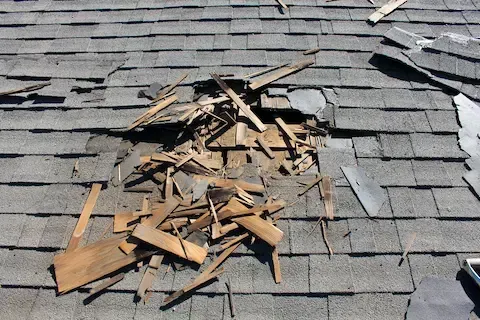
Storm Damage Roof Repair in Conway and Faulkner County
Storm damage to roofing systems in Conway and Faulkner County represents one of the most common and urgent property maintenance challenges homeowners face. Arkansas's location in the heart of tornado alley, combined with frequent severe thunderstorms and hail events, creates conditions that regularly test the durability of residential roofing materials. Understanding the scope of storm-related roof damage, repair processes, and insurance considerations enables property owners to respond effectively when severe weather strikes their neighborhood.
Types of Storm Damage to Roofing Systems
Hail damage presents the most frequent storm-related roofing concern throughout Faulkner County. Hailstones impact asphalt shingles with sufficient force to crack granule surfaces, expose underlying mat materials, and create points of water infiltration. Large hail events, particularly those producing stones exceeding one inch in diameter, can cause immediate structural damage including cracked or missing shingles, damaged flashing, and compromised guttering systems.
Wind damage occurs when sustained winds or gusts exceed the design parameters of installed roofing materials. High winds lift shingle edges, tear away entire sections of roofing material, and drive debris against roof surfaces. Tornado activity, while less frequent than hail events, can cause catastrophic damage requiring complete roof replacement rather than selective repairs.
Combined storm events create complex damage patterns requiring comprehensive assessment. When hail and high winds occur simultaneously, the resulting damage often involves multiple roofing system components including shingles, underlayment, decking, and structural elements. These comprehensive damage events typically necessitate extensive repair work beyond simple shingle replacement. Hail is the most common culprit here, so see what a hail damage roof inspection in Faulkner County looks for.
Immediate Response and Emergency Measures
Safety considerations take precedence following any storm event that may have damaged roofing systems. Avoid accessing roof areas until professional assessment confirms structural integrity. Interior water intrusion, visible sagging, or exposed structural elements indicate potential safety hazards requiring immediate professional evaluation.
Temporary emergency measures help prevent additional damage while arranging permanent repairs. Tarping exposed areas provides short-term weather protection, though proper installation requires experience to ensure effectiveness without causing additional damage. Storm Damage Roof Repair specialists maintain emergency response capabilities for severe damage situations requiring immediate intervention.
Document damage thoroughly through photography before implementing any temporary measures. Insurance adjusters require comprehensive visual evidence of storm impact, including wide-angle views showing overall roof condition and close-up images detailing specific damage points. Maintain detailed records of emergency measures taken, including materials used and service providers contacted.
Professional Damage Assessment Process
Comprehensive damage assessment requires specialized knowledge of roofing system components and storm impact patterns. Professional inspectors evaluate visible damage while identifying underlying issues that may not present immediate symptoms. This assessment process examines shingle integrity, flashing condition, guttering functionality, and structural element stability.
Hidden damage represents a significant concern following storm events. Impact damage to underlayment, deck penetration, and compromised sealing around penetrations may not produce immediate leaks but create long-term vulnerabilities. Professional assessment identifies these concerns before they develop into more serious structural problems.
Assessment documentation serves multiple purposes including repair planning, insurance claim support, and future reference. Detailed reports specify damage locations, affected materials, recommended repair scope, and estimated replacement requirements. This documentation becomes essential when coordinating with insurance representatives and planning repair timelines.
Insurance Claim Considerations and Process
Storm damage insurance claims require careful preparation and documentation to ensure appropriate coverage application. Most homeowner policies include provisions for storm-related roof damage, though coverage specifics vary significantly between carriers and policy types. Understanding policy language regarding deductibles, coverage limits, and replacement provisions helps establish realistic expectations for claim outcomes.
Timing considerations affect claim processing and coverage application. Most insurance carriers require prompt notification following storm events, typically within specific timeframes outlined in policy documents. Delayed reporting can complicate claim processing and potentially affect coverage determinations.
Working with insurance adjusters requires organized presentation of damage evidence and repair estimates. Professional roofing contractors experienced in insurance work can provide valuable support during adjuster meetings, helping ensure comprehensive damage evaluation and appropriate repair scope determination. Understanding the roof insurance claim process helps homeowners navigate these interactions more effectively.
Repair Scope Determination and Planning
Repair scope depends on damage extent, affected roofing system components, and building code requirements. Minor hail damage may require selective shingle replacement, while extensive wind damage could necessitate comprehensive roof system renovation. Accurate scope determination requires balancing immediate repair needs with long-term system performance considerations.
Material selection affects repair durability and future storm resistance. Impact-resistant shingles, enhanced underlayment systems, and improved flashing materials can provide increased protection against future storm events. These upgrades may qualify for insurance discounts and reduce long-term maintenance requirements.
Repair sequencing becomes critical when addressing extensive damage affecting multiple roof areas. Proper sequencing ensures weather protection throughout the repair process while maintaining structural integrity and safety standards. Experienced contractors develop repair plans that minimize exposure periods and coordinate material deliveries with work progress.
Common Assessment and Repair Mistakes
Incomplete damage evaluation represents the most frequent mistake in storm damage situations. Focusing exclusively on obvious damage while overlooking underlying issues creates conditions for future problems. Comprehensive assessment must evaluate all roofing system components including areas not showing immediate visible damage.
Inadequate temporary protection measures can worsen damage while awaiting permanent repairs. Improper tarping techniques, insufficient securing methods, or inappropriate material selection may create additional damage points or fail to provide effective weather protection. Professional emergency services ensure appropriate temporary measures.
Rushing repair decisions without proper planning often results in suboptimal outcomes. Hasty material selection, inadequate contractor vetting, or insufficient scope planning can compromise repair quality and longevity. Taking time for proper evaluation and planning produces better long-term results.
Local Weather Patterns and Damage Trends
Conway and Faulkner County experience distinct seasonal storm patterns that influence damage types and frequency. Spring severe weather systems typically produce the most significant hail events, while summer thunderstorms create wind damage and isolated impact concerns. Understanding these patterns helps homeowners prepare for likely damage scenarios and plan maintenance accordingly. Spring wind events do their own kind of damage. See our breakdown of wind damage roof repair after Conway storms.
Historical storm data indicates Faulkner County experiences significant hail events approximately every three to five years, with smaller hail occurrences happening annually. This frequency makes proactive roof maintenance and prompt damage response essential for long-term property protection.
Microclimate factors within the Conway area can intensify storm impacts in specific neighborhoods. Topographical features, urban heat island effects, and prevailing wind patterns create localized conditions that may increase storm severity. Residents in historically affected areas benefit from enhanced preparedness measures and prompt post-storm assessment.
Professional Service Selection and Quality Standards
Selecting qualified roofing contractors for storm damage repair requires careful evaluation of experience, licensing, and insurance coverage. Contractors specializing in storm damage repair understand insurance requirements, assessment procedures, and repair techniques specific to weather-related damage. This specialization produces more efficient claim processing and superior repair outcomes.
Quality standards for storm damage repair must address both immediate weather protection and long-term system performance. Proper repairs restore structural integrity, ensure water resistance, and maintain aesthetic consistency with existing roofing materials. These standards require adherence to manufacturer specifications and local building code requirements.
Warranty considerations become particularly important for storm damage repairs given the potential for recurring weather events. Comprehensive warranties should cover both materials and workmanship while addressing performance under future storm conditions. Understanding warranty terms and coverage limitations helps establish appropriate expectations for repair longevity.
Storm damage roof repair in Conway and Faulkner County requires comprehensive understanding of local weather patterns, damage assessment procedures, and repair techniques appropriate for Arkansas climate conditions. Successful storm damage response combines prompt professional assessment, appropriate emergency measures, thorough insurance coordination, and quality repair implementation. Property owners who understand these elements can respond effectively to storm events while protecting their investment through proper repair decisions and contractor selection.
